
September 2 marks the 80th anniversary of the official end of World War II. This is a time when people may reflect on the experiences of the service men and women who served during the war and may also be inspired to start researching the military career of their ancestors.
To commemorate this significant event, we’ve gathered many key resources that can be used to research World War II military personnel. Of particular significance are the online collections, many of which have only recently been digitised.
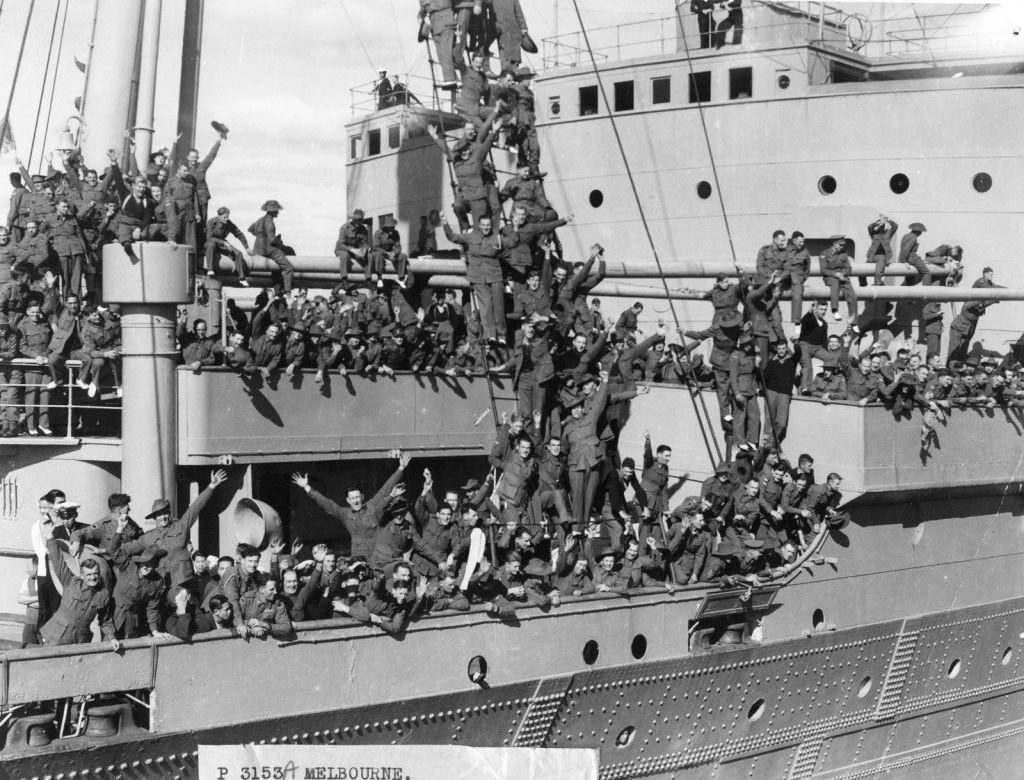
Nominal rolls
If you’re new to military research, the Nominal Roll is a great place to start, as the details on the roll provide a decent snapshot of an individual’s military career.
Compiled by the Department of Veterans’ Affairs, the World War II nominal roll lists members of the Royal Australian Navy (RAN), the Australian Army, the Royal Australian Air Force (RAAF), merchant mariners and navy canteen staff, with information taken primarily from original service records. The roll includes such personal details as – an individual’s name, service number, place of enlistment, date of enlistment/attestation, place and date of birth, unit/ship/squadron at discharge, date of death or discharge, substantive rank on discharge, prisoner of war status (yes or no), next of kin and honours and gallantry awards.
To access the roll, go to the Department of Veteran’s Affairs Nominal Rolls website and search by either name or service number.
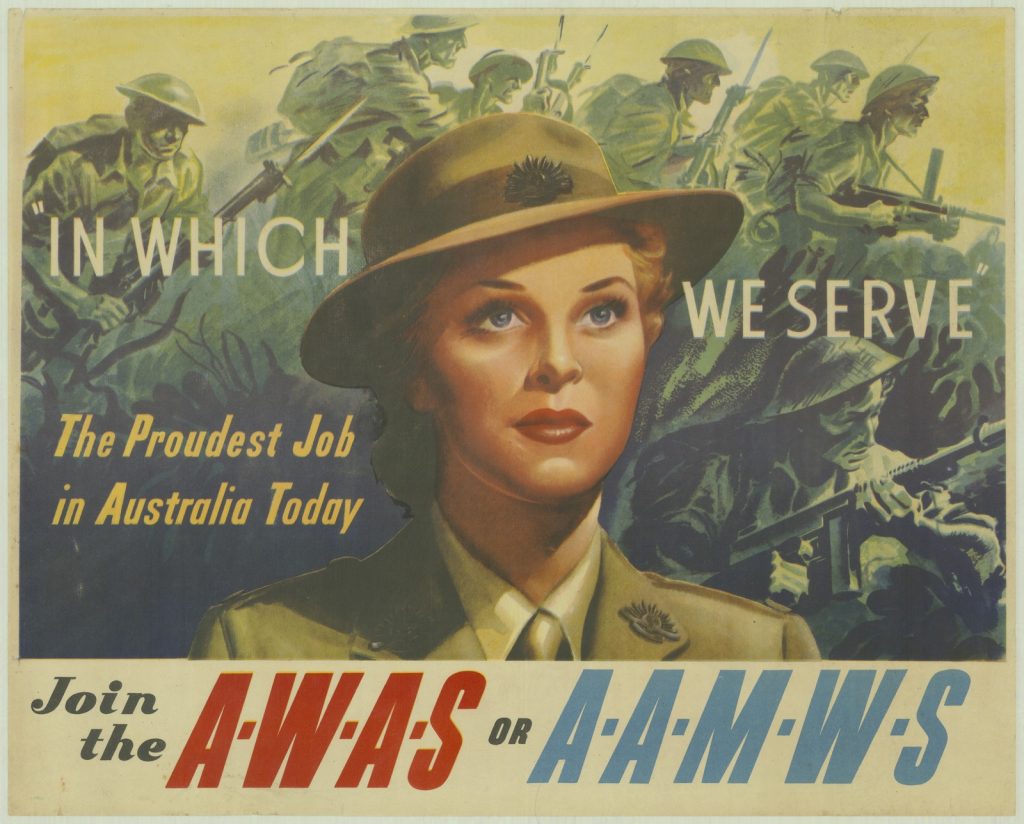
Service records
Service records, or dossiers are one of the most useful resources for researching military personnel, as they provide a wealth of information about a person’s military service. Over one million World War II service records have recently been digitised by the National Archives of Australia (NAA), with the following records now available –
Army
- Personnel service records for the Second Australian Imperial Force 1939-47.
- Citizen Military Forces personnel service records 1937-47.
Records may include – copies of the attestation (enlistment) form, which sets out personal details such as age, next of kin and former occupation, service and casualty forms, details about units and postings, injuries and disciplinary charges, discharge form, a summary of the person’s service (not included in all cases). Head-and-shoulders photograph may also be included.
Royal Australian Air Force
- RAAF officers personnel files 1921-48.
- RAAF personnel files of non-commissioned officers (NCOs) and other ranks 1921-48.
These records should include such details as – age, next of kin and marital status, postings, training and promotions. They may also contain enlistment forms, conduct sheets, records of leave and head-and-shoulders photograph of the enlistee.
Royal Australian Navy
- Service cards for navy officers 1911-70 (Series A6769).
- Service cards for petty officers and men 1911-70 (Series A6770).
Originally listed on cardboard index cards, these records include such details as: service number, date and place of birth, religion, occupation, home port, names of ships and relevant dates, address on entry/re-entry and on discharge and details of next of kin.
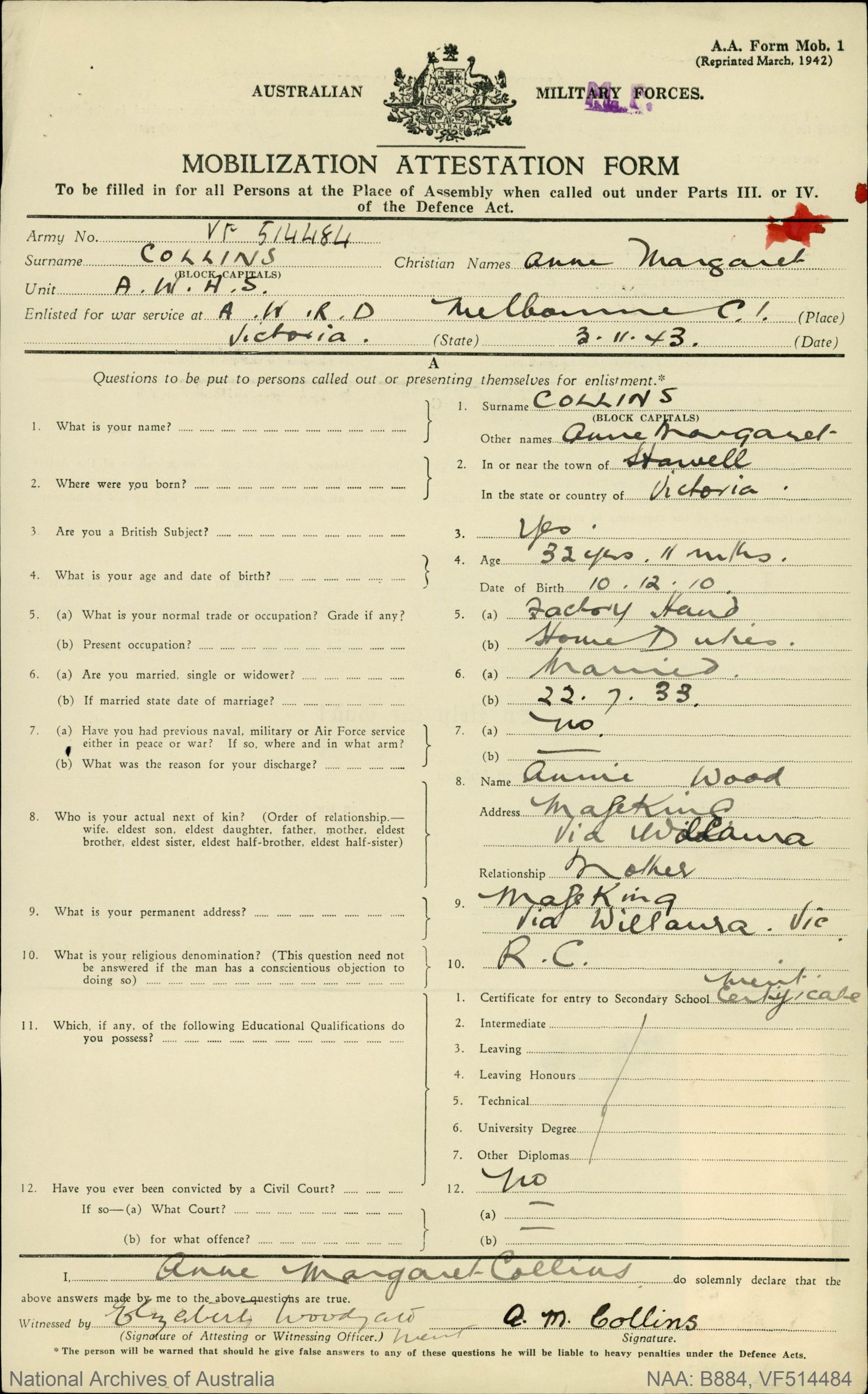
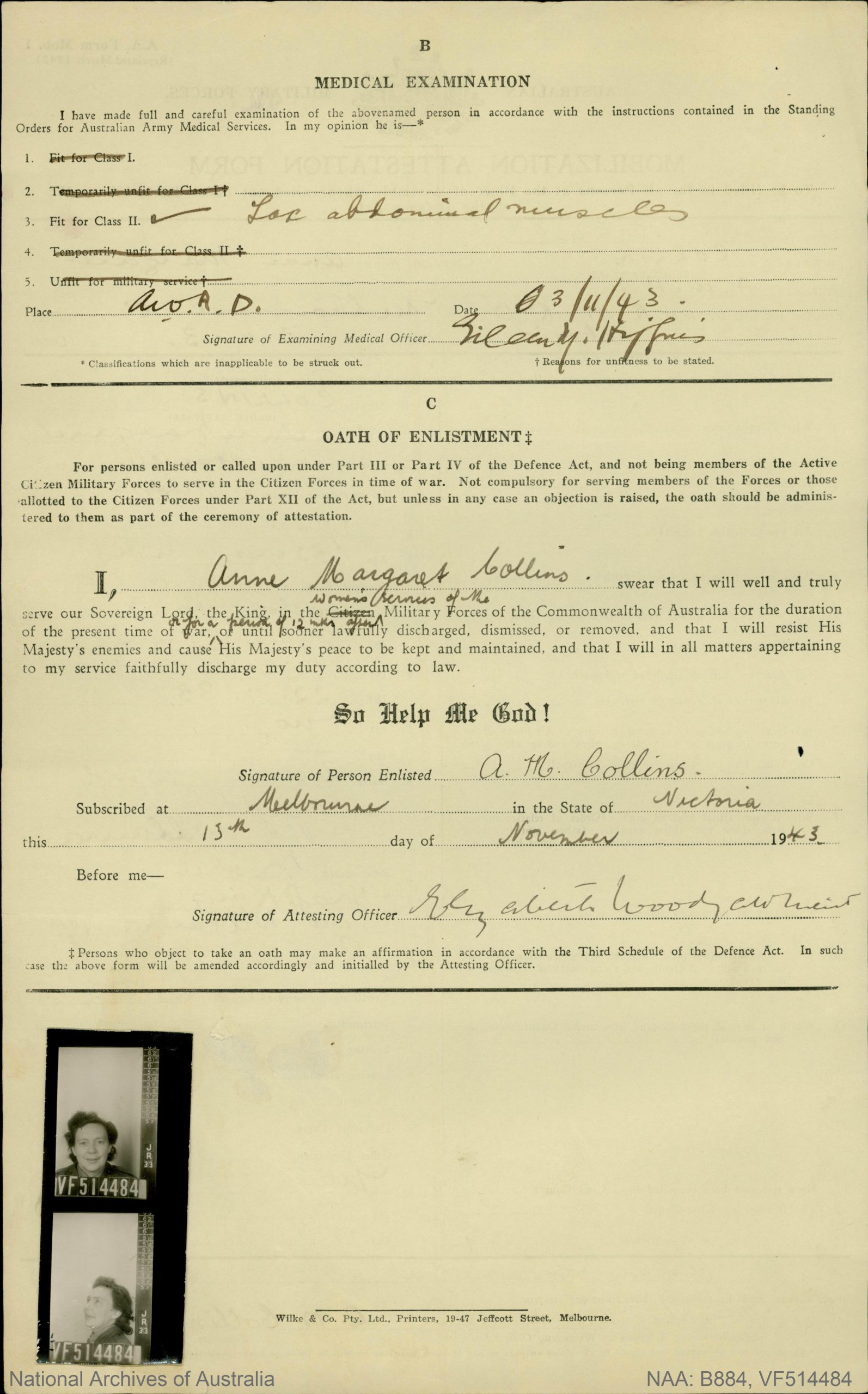
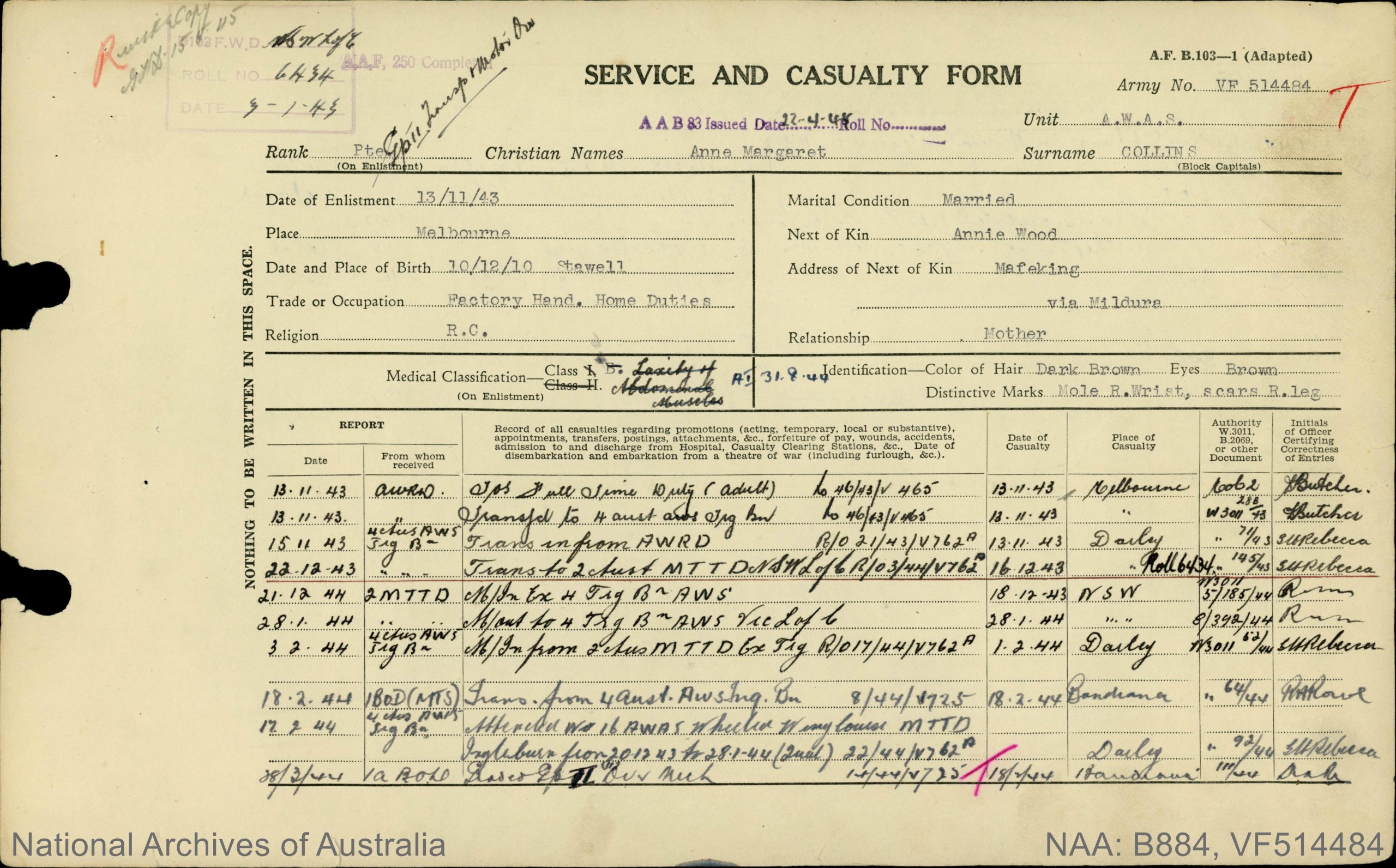
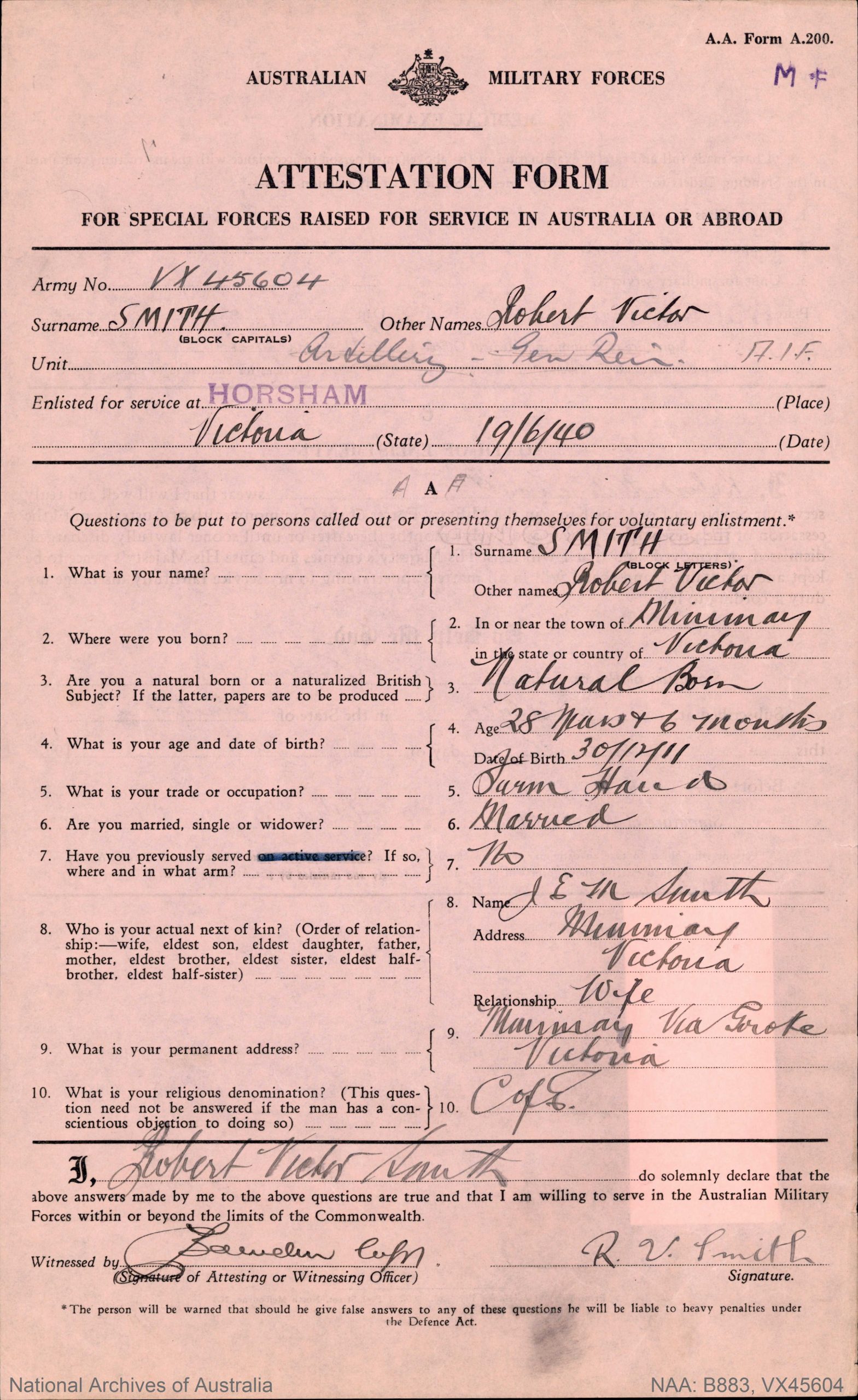
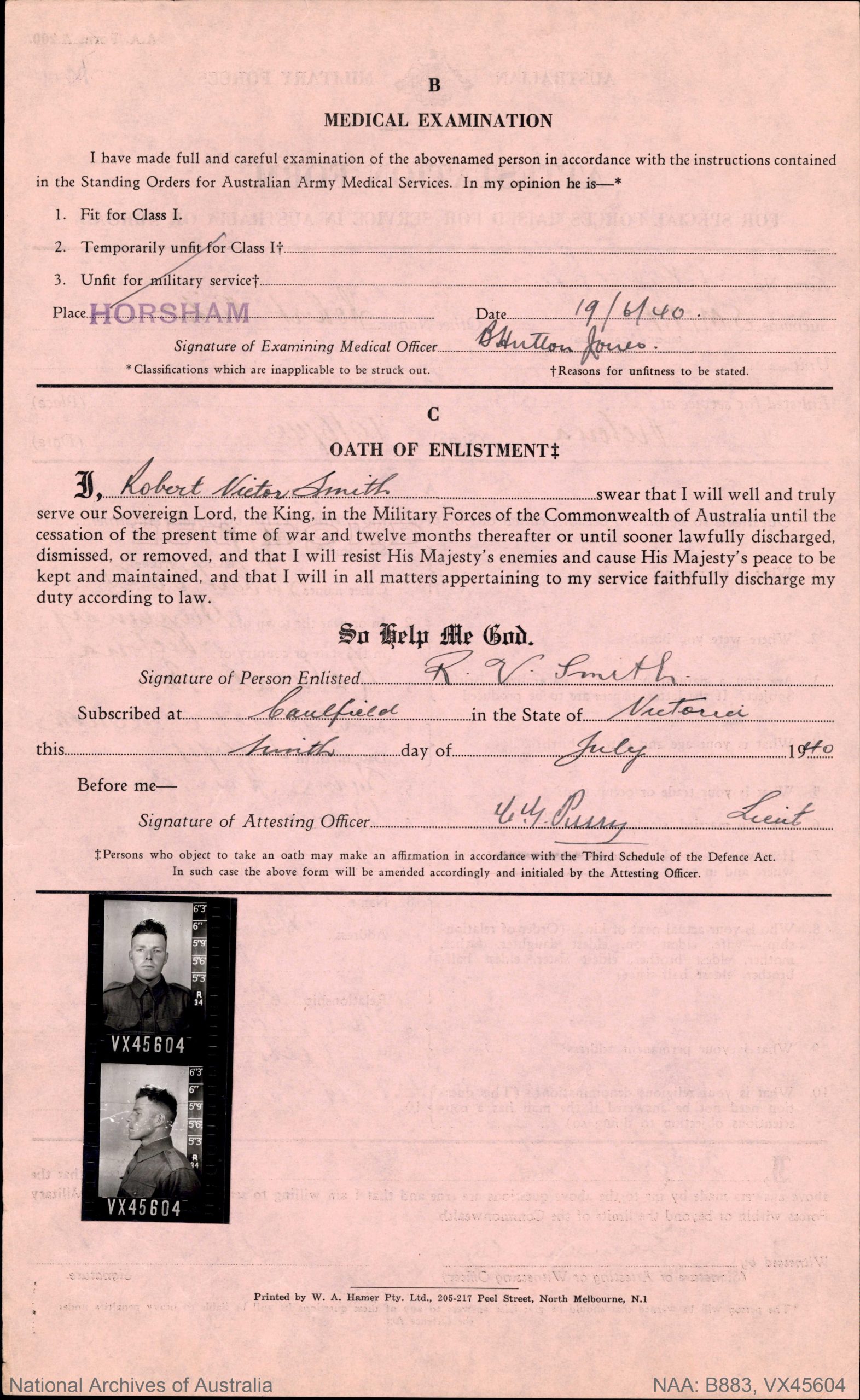
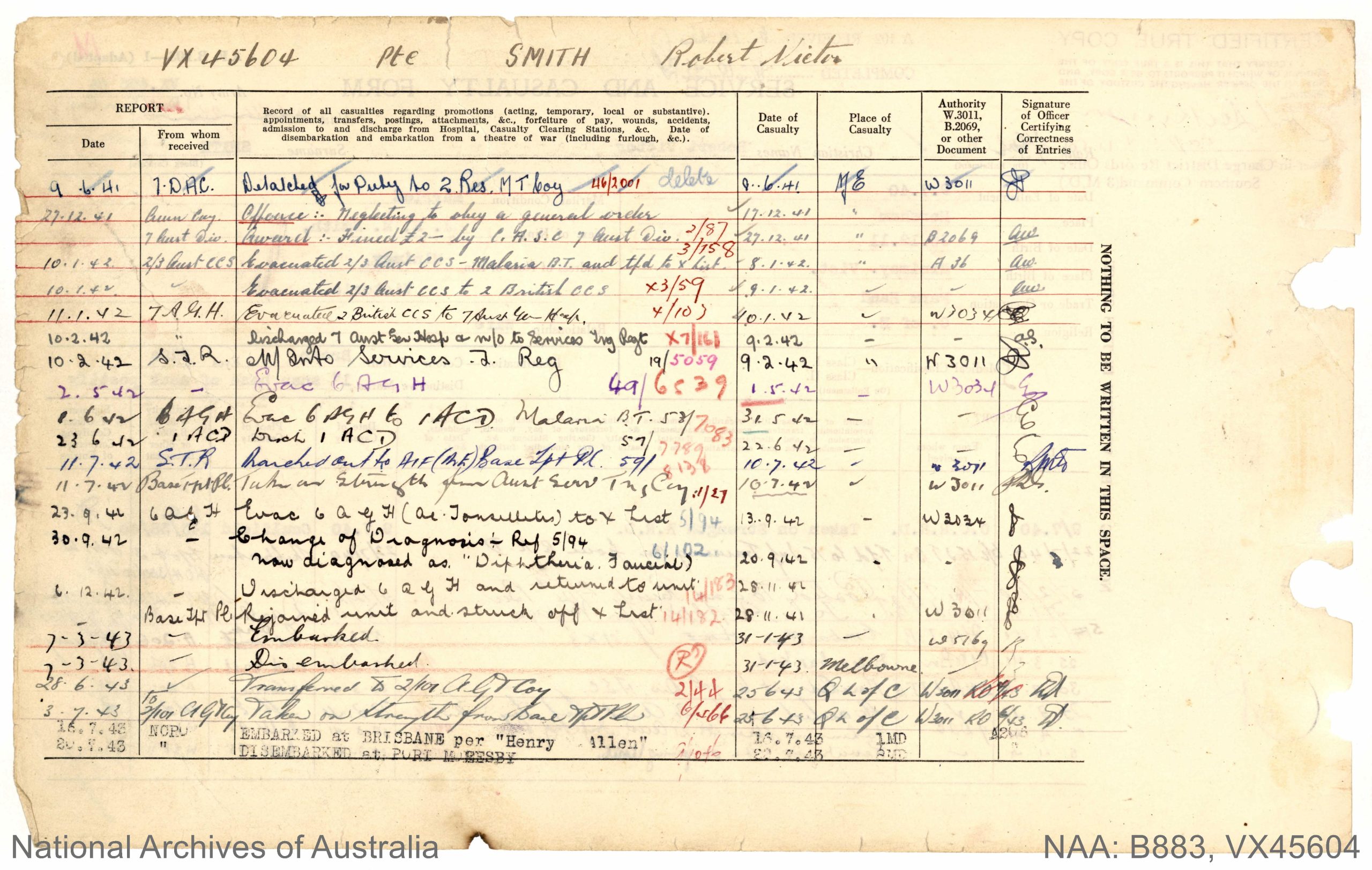
A selection of pages from the service records of Anne Margaret Collins, Service Number – VF514484; and Robert Victor Smith, Service number VX45604. Images courtesy of the National Archives of Australia NAA: A1200, L36449 (click to enlarge)
Access
To access service records, go to the National Archives of Australia (NAA) RecordSearch page, select the Basic search option and enter the person’s surname and service number. If you don’t know an individual’s service number, you can find it by searching the World War II nominal roll.
Alternatively, from the NAA RecordSearch page, you can try using the Name search option. Enter the person’s name, and from the `Category of records’ drop down menu, select World War II.
If you cannot find the relevant record, please contact the National Archives of Australia.
Interpreting a service record
For information on how to interpret the information contained in a service record, please consult the Virtual War Memorial Australia’s Guide to reading World War II Service Records.
For help deciphering the many abbreviations that appear in service records, please use the National Archive of Australia’s Abbreviations used in First World War and Second World War service records or the Virtual War Memorial Australia’s Abbreviations and glossary page.
Unit war diaries
Army Unit diaries, RAAF formation and unit records, and Royal Australian Navy Reports of Proceedings can be used to find information on where an individual served during the war and what military activities they participated in. Many of these records have been digitised and can be accessed through the Australian War Memorial website.
Before you start looking for a unit diary, you need to identify the relevant unit, or units the person you’re researching, served in. You should be able to find this information in their service record. Once you have these details you can then locate the relevant diary or collection of records.
Army war diaries
Maintained by individual units on operations, these diaries recorded the unit’s location and a summary of the day’s activities for any given date. Produced monthly, they had accompanying appendices which listed details on strength and casualty returns, routine and operational orders, dispatches, photographs, maps etc.
Army World War II unit diaries for the 2nd AIF (Australian Imperial Force) and CMF (Citizen Military Forces) have been digitised and can be accessed through the Australian War Memorial website.
Air Force – RAAF formation and unit records
Recording the daily and operational activities of the Royal Australian Air Force, these records include the detail of a unit’s formation, its strength in personnel and aircraft, operations and movements. Accompanying forms usually include the number, rank and name of each member of an aircraft’s crew, details of the aircraft itself, the number, date and purpose of the operation, details of the flight and results of the operation including casualties.
Air Force unit histories are held at the National Archives of Australia (NAA). To find a relevant entry, go to the NAA RecordSearch page, select Basic search and enter “RAAF unit history and the name of their unit”, i.e. “RAAF unit history Base Squadron”.
Records can also be accessed through the Australian War Memorial RAAF formation and unit records website.
Navy – Reports of Proceedings (ROPs)
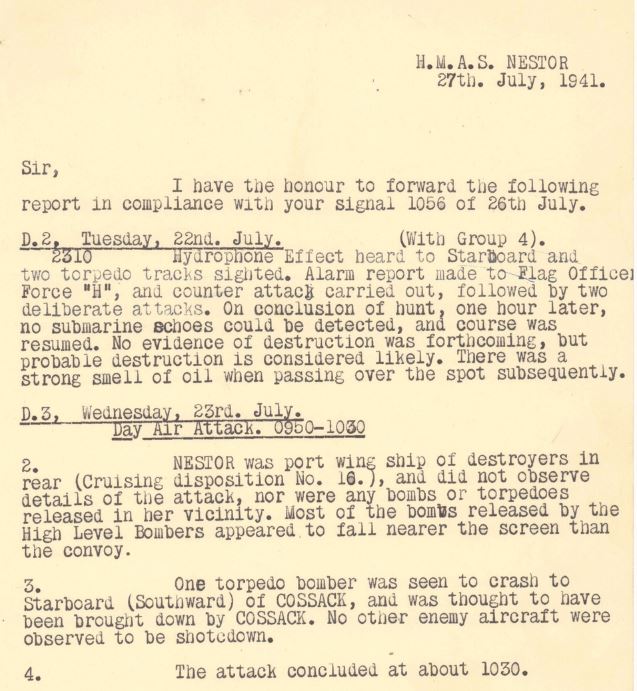
The official record of activities of the Royal Australian Navy (RAN) appear in the Reports of Proceedings (ROPs). The reports usually include events of `historical significance’; dates of arrival and departure from places visited; details of ships in company; visits and official calls; outstanding incidents; details of operations, and the state of the ship and its company. Some ROPs also include photographs.
Records can be accessed through the Australian War Memorial Reports of Proceedings, HMA Ships and Establishments website.
Official histories
The `Official History of Australia in the War of 1939-1945′ is a 22-volume series, commissioned by the Australian government and published by the Australian War Memorial from 1952-1977. It provides a detailed account of Australia’s involvement in World War II and covers the roles of the army, navy, air force and medical services.
On the Australia War Memorial – Second World War Official Histories website, you can find digitised copies of the following –
- Australia in the War of 1939–1945. Series 1 – Army
- Australia in the War of 1939–1945. Series 2 – Navy
- Australia in the War of 1939–1945. Series 3 – Air
- Australia in the War of 1939–1945. Series 4 – Civil
- Australia in the War of 1939–1945. Series 5 – Medical
Copies of the Official histories are also held in the State Library Victoria, under the series entry – Australia in the war of 1939-1945.
The Official Historian’s staff produced a card index of basic biographical data for individual who were mentioned in the publication, consulted in its preparation, or otherwise associated with it. The cards also cover other information including – ship names, geographic place names and code names. The index – Official history, 1939-1945 war, biographical cards : AWM 168, is available on microfiche in the Newspaper & Family History Reading Room.
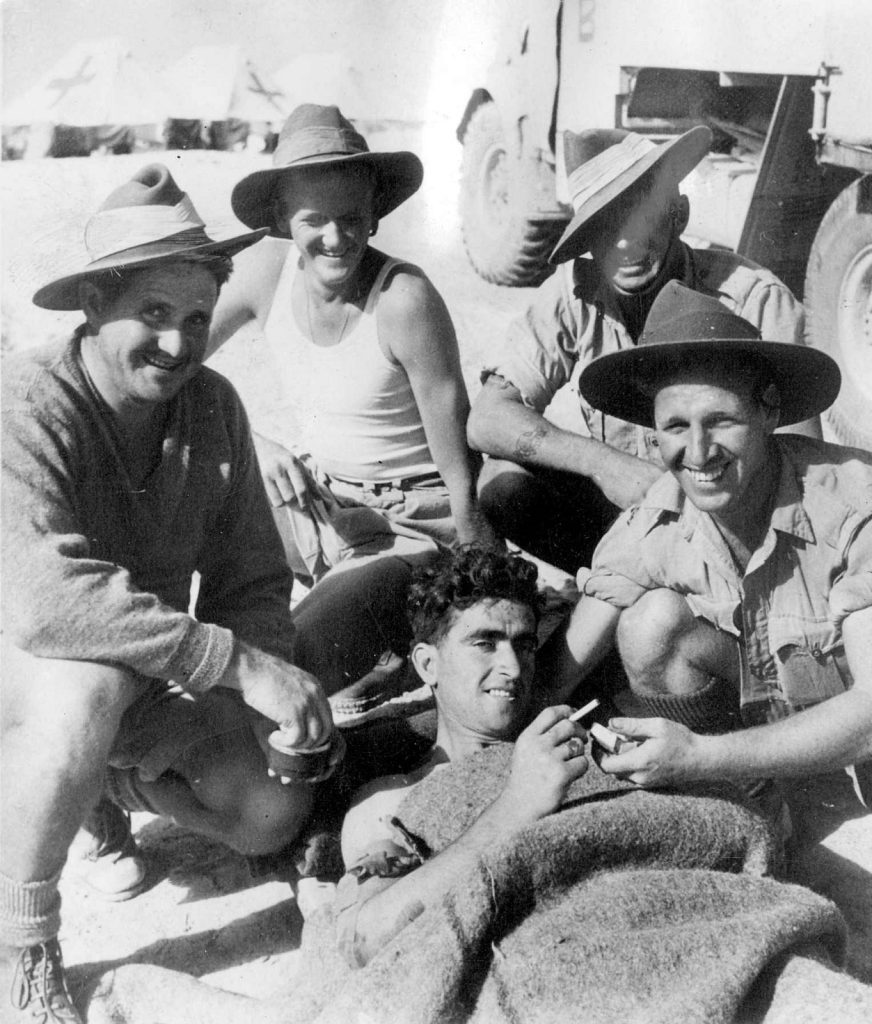
Prisoners of war
There is no definitive source of information on Prisoners of war. Rather you will need to compile information from a number of sources, such as service records, unit histories, newspaper reports etc.
Further information on ways to research Australian Prisoners of war, can be found on the Australian War Memorial’s Second World War – Prisoners of the Japanese and Second World War – Europe research guides.
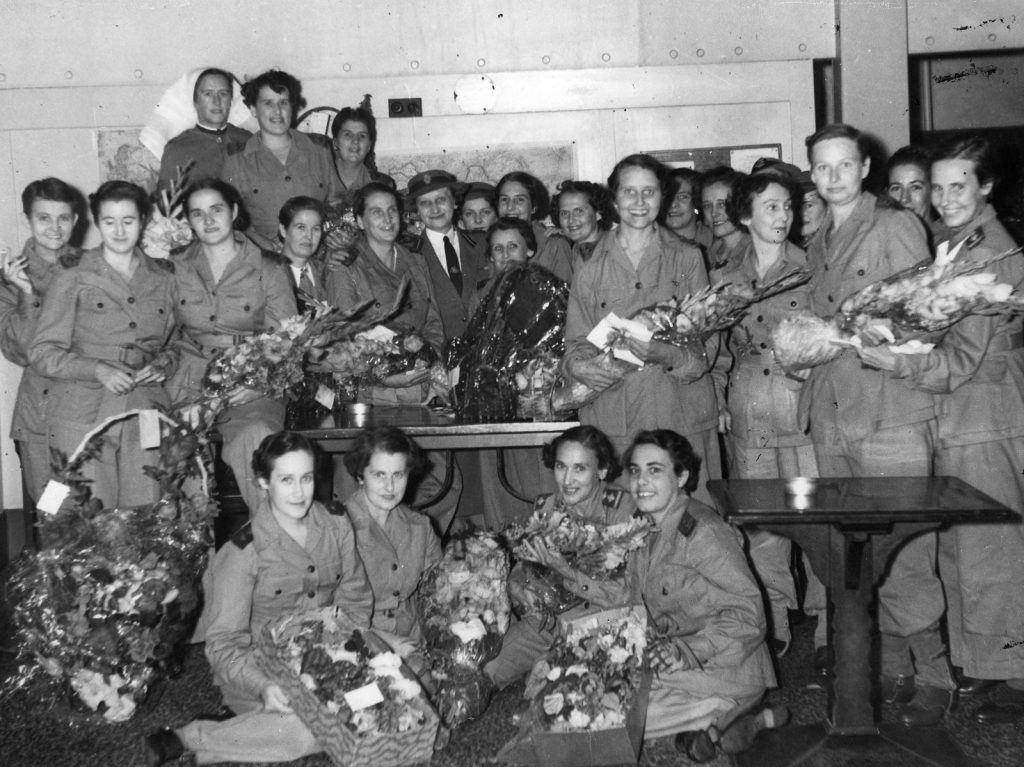
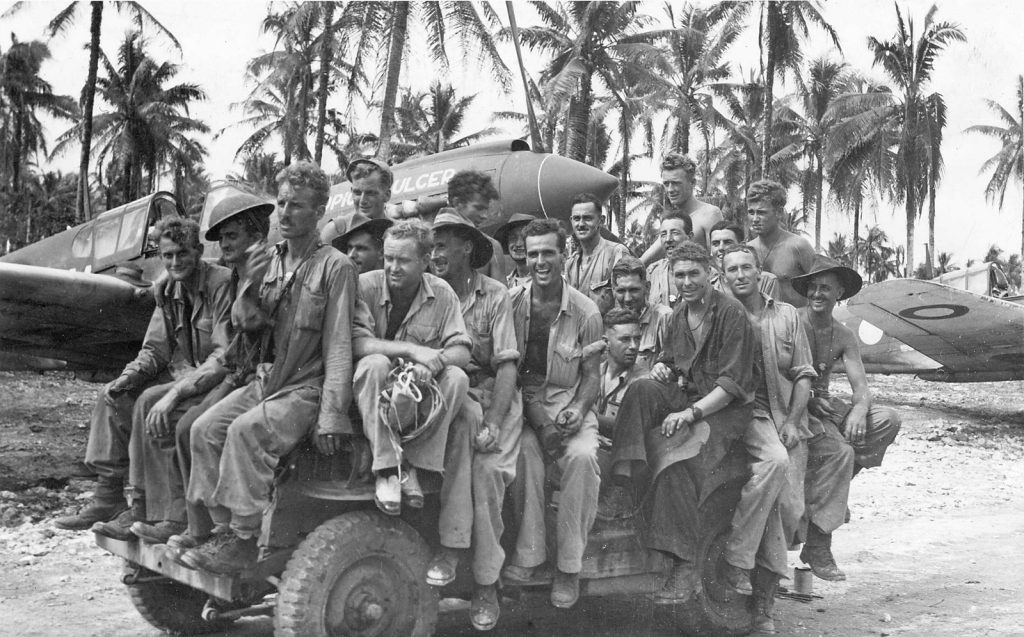
Veterans’ case files (World War II)
Veterans’ case files, also known as Repatriation files, document any interaction the veteran had with the Commonwealth government after the war. Files can include medical and hospital records, details of clinical treatment and pension files.
These records are held by the National Archives of Australia. If the veteran is deceased, or would be over 100 years of age, the files are usually suitable for release, however, because of the personal details that appear in the files, some information may be exempted to protect the privacy of family members. More information can be found on the National Archives of Australia Veterans’ case files fact sheet. To request a copy of a case file, please contact the National Archives of Australia.
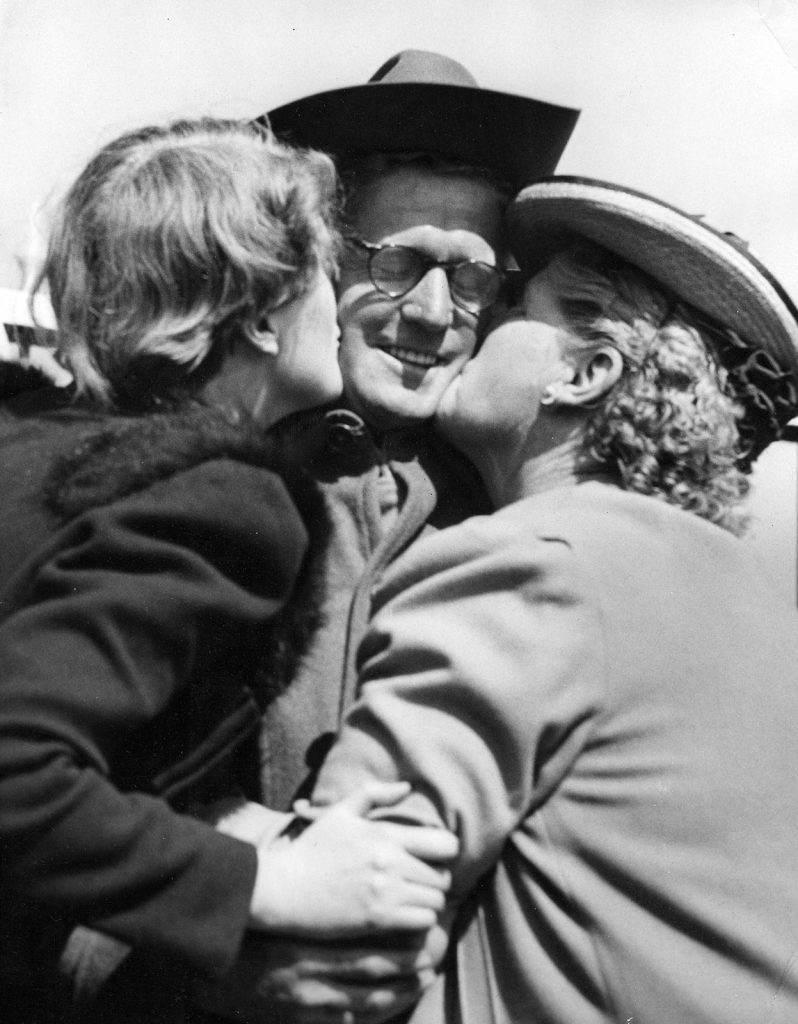
Roll of Honour
The Roll of Honour lists the names of World War II servicemen and servicewomen who died during or as a result of service with the Australian armed forces. Search the Australian War Memorial’s, Roll of Honour database, to retrieve information on an individual. Records includ name, service number, rank, unit, conflict, date and place of death, cause of death and cemetery or memorial details.
Burial place
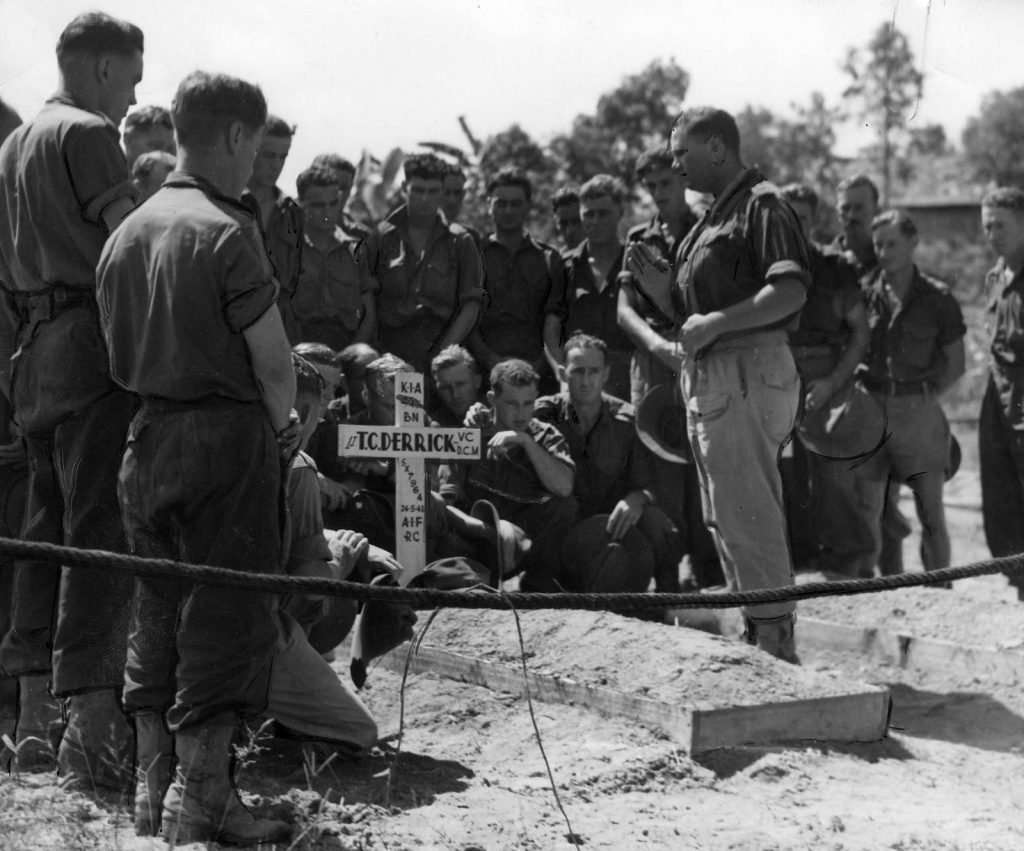
Find out where an individual is buried or commemorated by accessing the Find War Dead register on the Commonwealth War Graves Commission website. Records include plans and photographs of the cemetery or memorial, the individual’s name, service number, age, date of death, regiment or unit and country of service. Entries may also include the names of parents and spouse.
Newspapers
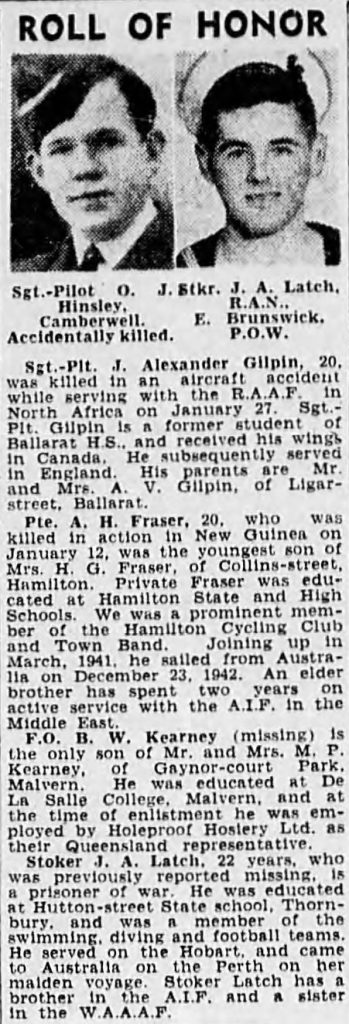
Newspapers are a valuable source of information, which can be used to research individuals, military campaigns, obituaries, photographs and stories about life on the home front. State Library Victoria provides access to a wide range of international historic newspapers, including the British Library Newspapers (1732–1977), ProQuest Historical Newspapers and the Times Digital Archive (1785-2019). Most of these resources can be accessed from home if you’re a State Library member and a Victorian resident.
Of particular relevance are the following databases –
Historic Australian newspapers (Trove) Provides full text access to over 1000 Australian suburban and regional newspapers spanning from 1803 to the mid-1950s. Titles include The Argus (1848- 1957), The Age (1854-1954), The Herald (Melbourne) (1861-1954) and the Sun News Pictorial (1922- 1954).
Service Newspapers of World War Two – Featuring over 200 titles from England, US, New Zealand and Australia, which were produced for military and civilian units serving at home and abroad.
State Library Victoria – collections
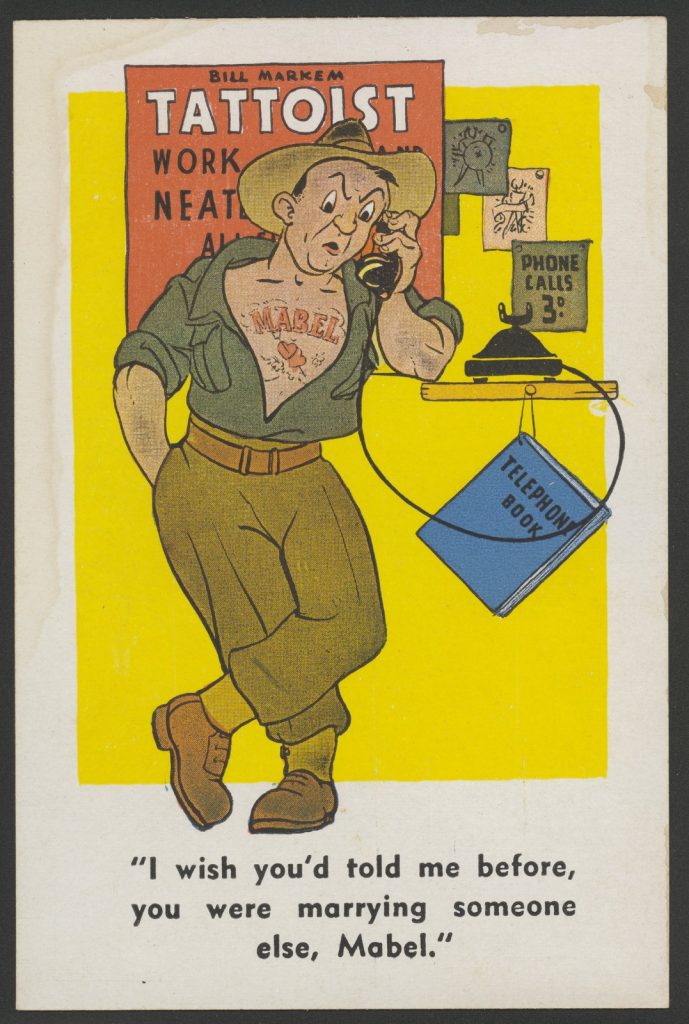
In our library you will find a rich collection of World War II material, including official and regimental histories, books on battles and campaigns, official and unofficial lists of army, navy and air-force personnel and casualty records. We hold biographies, memoirs, letters and diaries, war posters and postcards. We also hold thousands of photographs, including the Argus newspaper photographic collection which consists of over 15,000 images.
To find material, go to our catalogue and search for a title, an event, a topic, or a name i.e. 15th infantry brigade. From the list of results you can limit your search to books, maps, photographs and so on.
You may also like…
Australians in World War 1 research guide. This is a guide to finding information on World War I and records on Australian service personnel.
Australian colonial forces and family history research guide. This is a guide for those wanting to research military personnel who served in colonial forces in Australia and overseas from the first military presence that arrived with the First Fleet in 1788 to the end of the South African (Boer War) in 1902.
Researching your ancestors’ occupations – Armed forces. This guide will help you to research military personnel who served in Australia’s defence forces from 1902 onward.


I found this really interesting because it shows how researching World War II ancestors involves much more than just finding names and dates, especially through military records, newspapers, photographs, and personal archives. It made me realize how family history research can uncover personal stories and everyday experiences that make major historical events feel more human and connected. I also liked how the article gives practical guidance while encouraging people to preserve and explore their own family histories.
Thanks so much for your kind comments Dennis. You’re absolutely right – family history research is very much about discovering the life stories of people and learning about the events that shaped their lives. It makes for very interesting research! Kind regards, Ann