
State Library Victoria advises that this blog post contains records from the past that may contain offensive language, negative stereotypes or inaccurate representations. The Library does not endorse these views, but is making them available for historical context.
State Library Victoria members can access hundreds of databases from home (if your home is in Victoria). That’s millions of articles, magazines, archives, ebooks, videos, songs, audiobooks and more, available through the catalogue anytime. We’re taking a closer look at new and/or interesting databases as well as hidden gems from our collections. Read on for top picks and tips from Librarians.
Not a member yet? Sign up online first and reward your curiosity.
Today we’re looking at History of Disabilities: Disabilities in Society, Seventeenth to Twentieth Century.
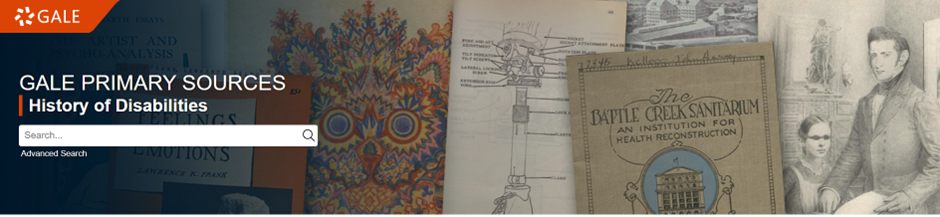
Through five distinct collections, this database provides a historical insight into how society has considered, treated and classified disabilities — as well as other forms of difference — across medical, social, political, and legal contexts. Books, pamphlets, reports, case notes and grey literature help us to understand how people lived over time with a range of disabilities, including how they were integrated and cared for, and the types of therapy and treatment options that were available. There is also coverage of what today may be termed ‘invisible disabilities’ (for example autism, neurodiversity, and learning difficulties).
Given the breadth of coverage, it is important to preface that some of the practices, terminology or classification of disabilities are considered outdated or offensive today (for example ‘Mongoloids’, ‘dwarfism’, ‘sterilisation’, ‘handicapped’, ‘retarded’), but are necessary to retain for historical context; to help us reflect on how far we’ve come (or not) as a society. As you search or browse through the content, it is also worth noting that changes in perception and policy were often gradual rather than radical.
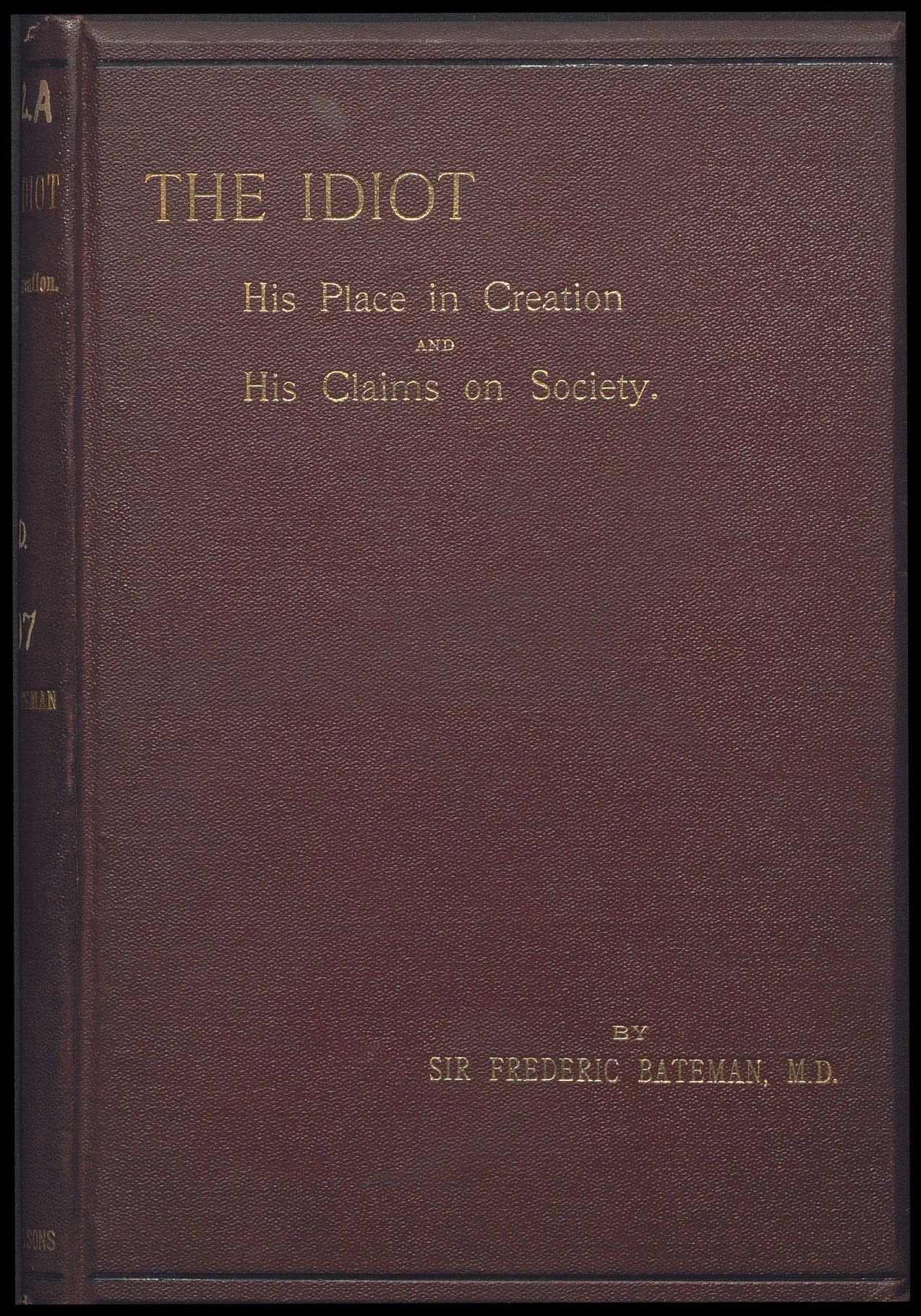
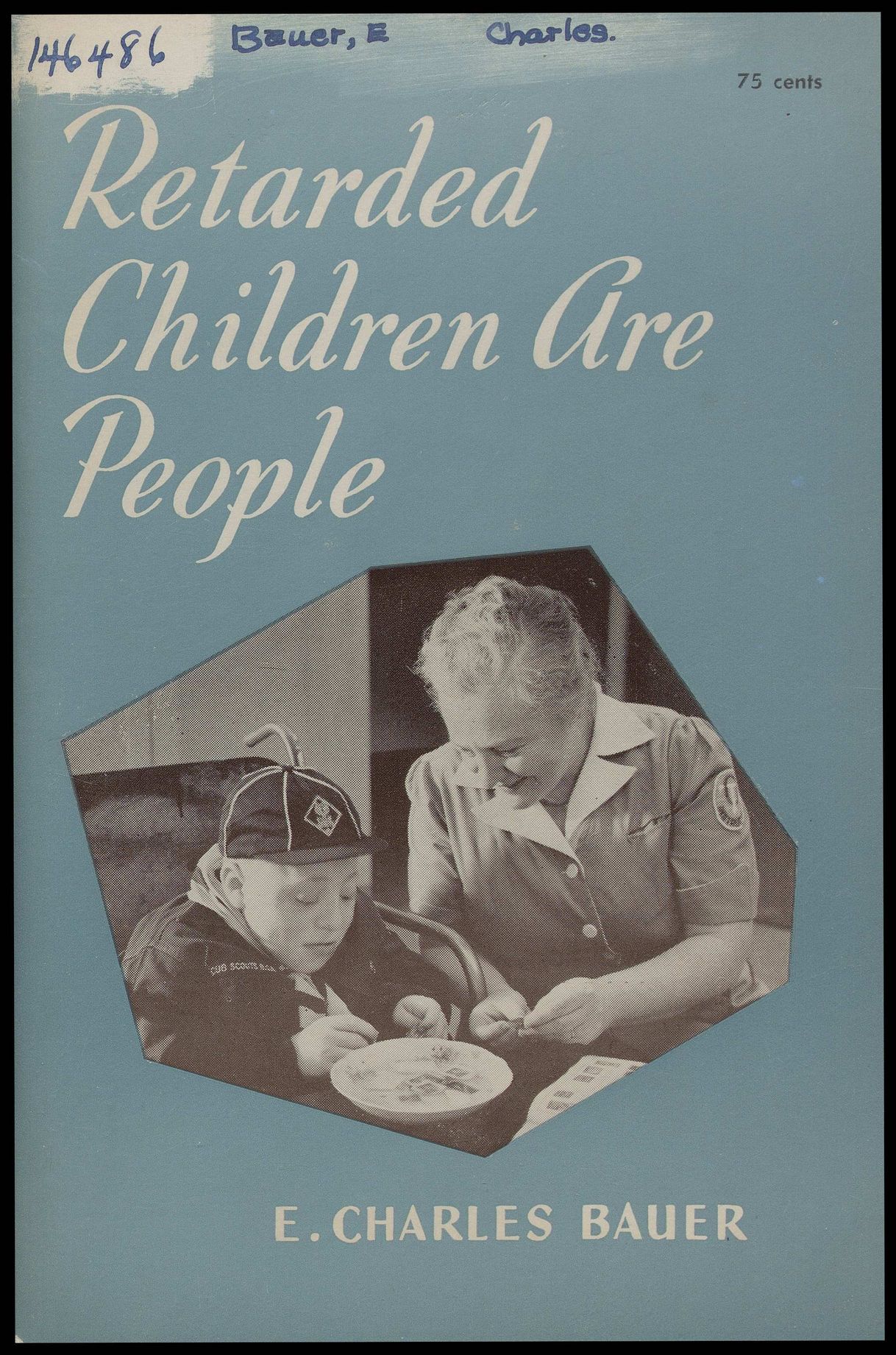
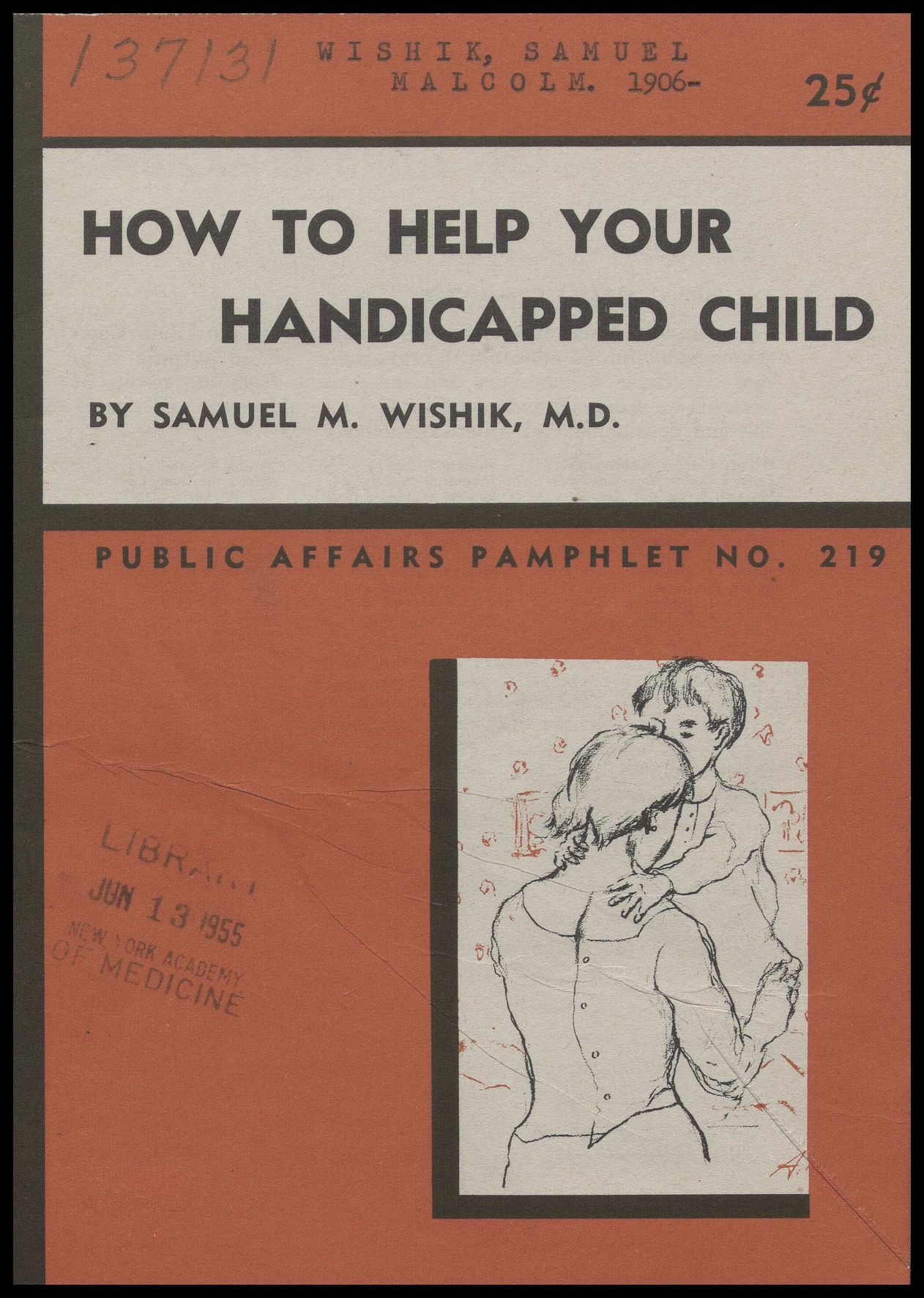
Left to Right: Bateman, Frederic (1897) The idiot: His place in creation and his claims on society, Jarrold & Sons, London, England; Bauer, E Charles (1964) Retarded children are people, The Bruce Publishing Company; Wishik, Samuel Malcolm (1955) How to help your handicapped child, Public Affairs Pamphlet No 219.
Collection highlights
Diagnosis and treatment
A number of disabilities have a connection with the brain, but until the mid-twentieth century, this was conceptualised differently. This database presents historical content that relates many disabilities or impairments to reduced mental capacity or intellect. Often, this meant institutionalisation in asylums or other facilities, so literature on their value or otherwise (and the treatments they offered) is extensive.
Electrotherapy was not only used to treat depressive illnesses and ‘the insane’, but also those suffering fatigue, exhaustion or unexplained pain. We are offered an insight into asylum life from the perspective of a doctor, who describes what it is like to work on a ward — the general conditions and impact on patient outcomes — and who offers solutions for change. 1 A patient from 1922 was admitted suffering depression following the death of her husband and recounts her distress and lack of agency. 2 This is contrasted with pamphlets for asylums advertised as offering comfort and care, showing that the reality was variable.
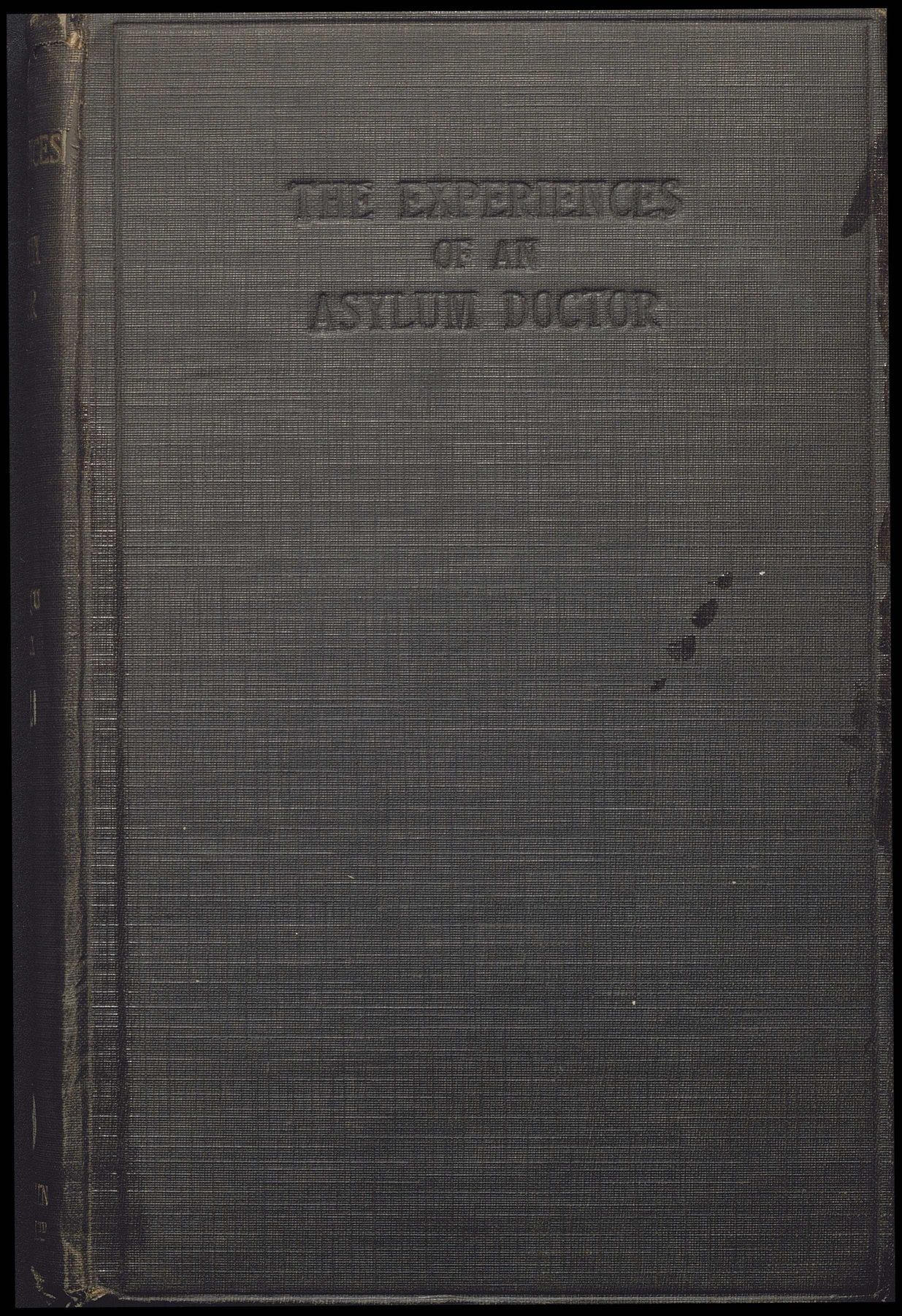
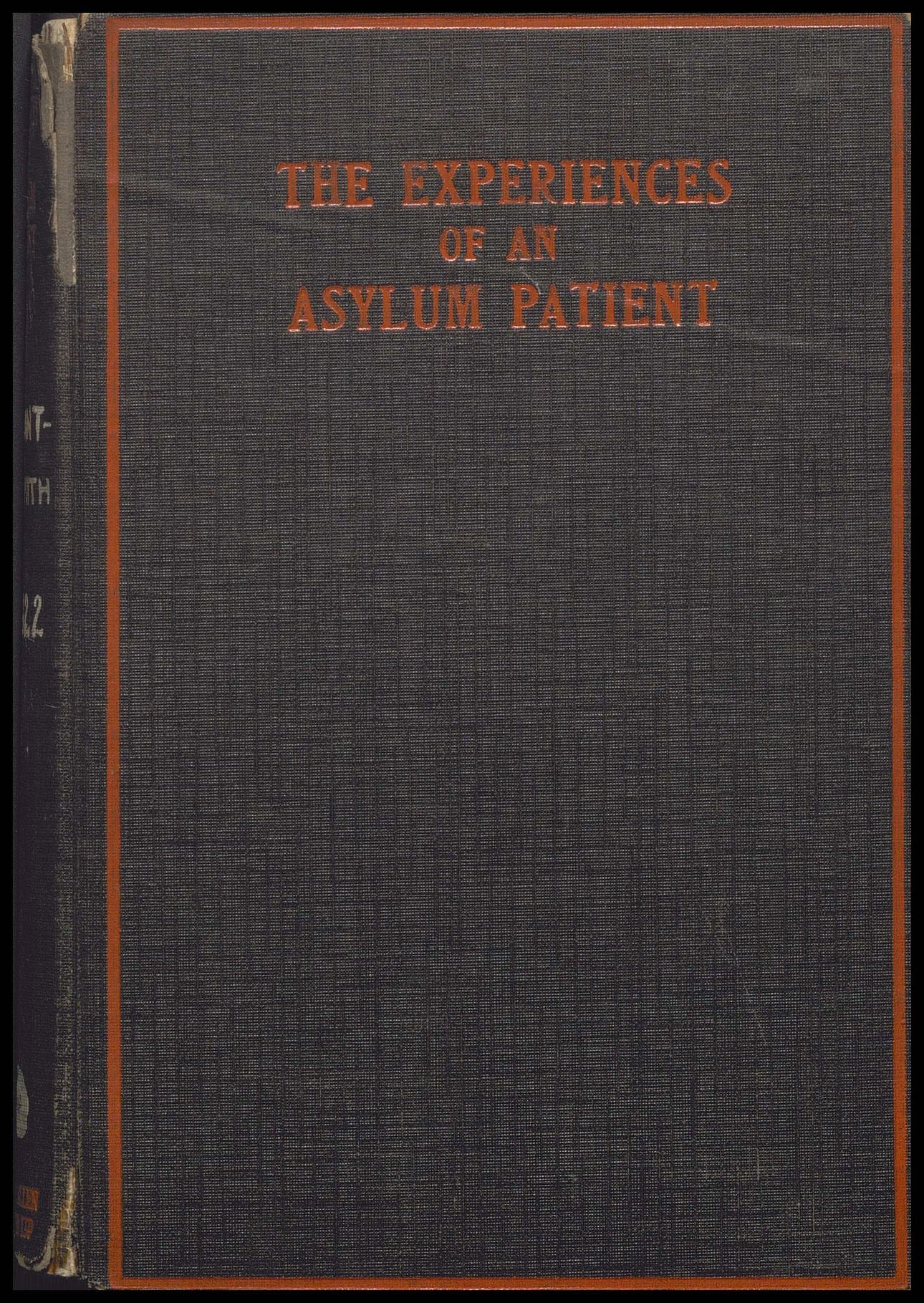
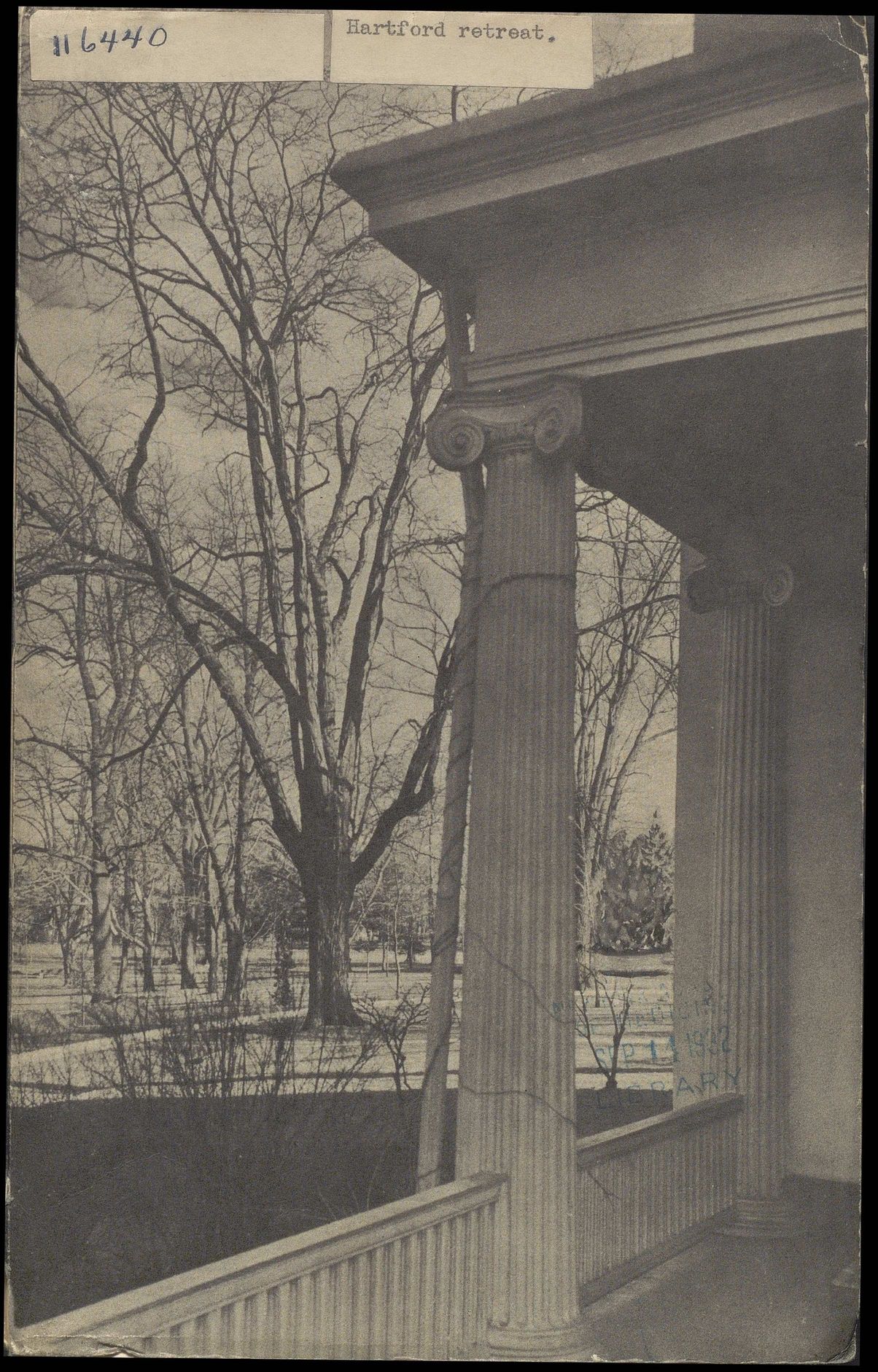
Left to Right: Lomax, Montagu (1921) The experiences of an asylum doctor: With suggestions for asylum and lunacy law reform, George Allen & Unwin Ltd, London; Grant-Smith, Rachel, and Lomax, Montagu (1922) The experiences of an asylum patient, George Allen & Unwin Ltd, London; Neuro-Psychiatric Institute and Hospital of the Hartford Retreat (1832?) Neuro-Psychiatric Institute and Hospital of the Hartford Retreat: Founded 1822, n p.
It is equally hard to imagine that the practice of sterilisation on the ‘mentally unfit’ and ‘degenerate’ was once performed to preserve perceived ‘good character’ in society.
We can also trace how treatments that are still in use today, such as aids for the deaf and hard of hearing, and physical therapy for those with disabilities such as cerebral palsy, have matured.
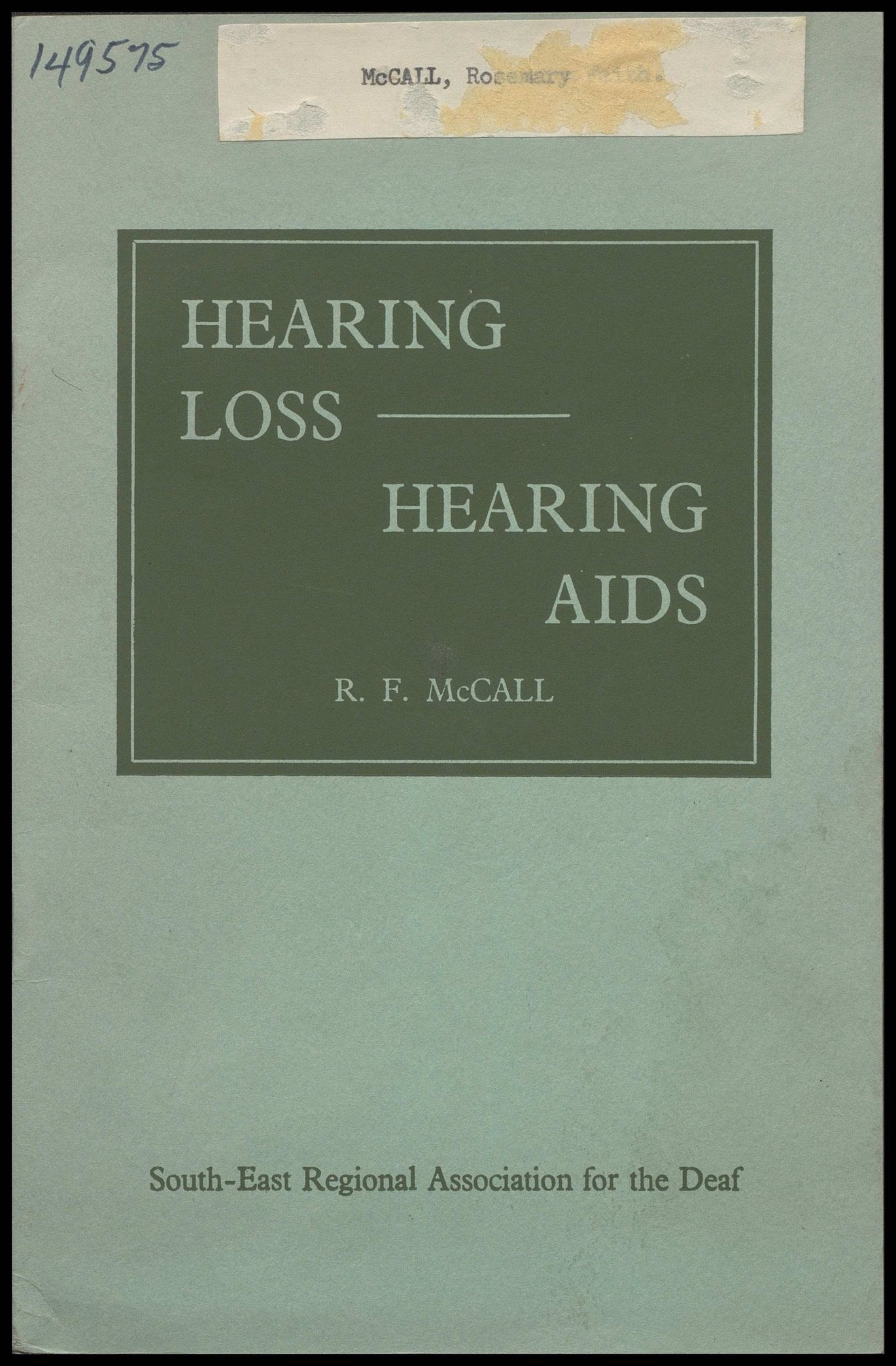
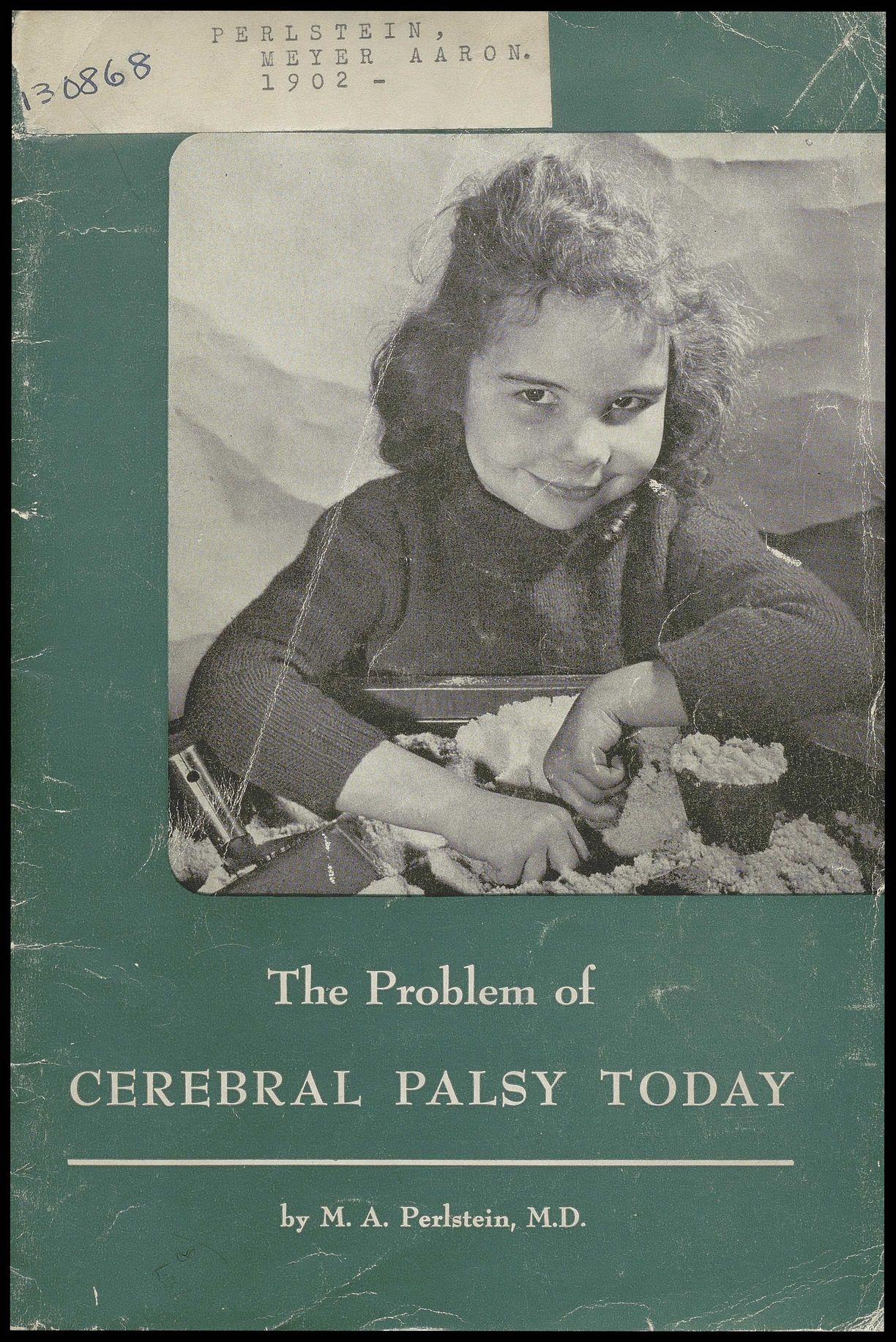
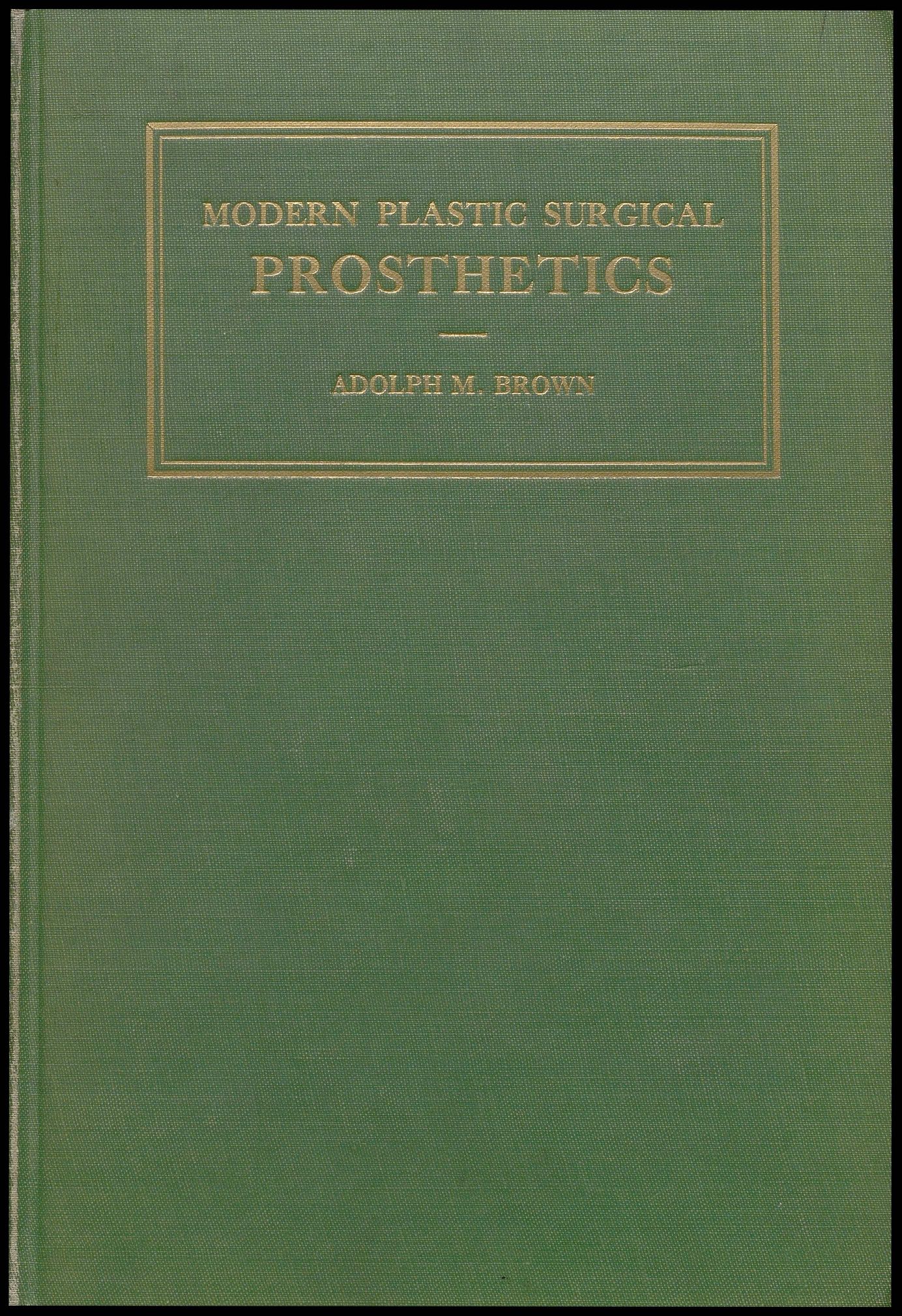
Left to Right: Cover of McCall, Rosemary Faith (1966) Hearing loss-hearing aids, South-East Regional Association for the Deaf, n p; Cover of Perlstein, M A (1947) The problem of cerebral palsy today, Association for the Aid of Crippled Children; Cover of Brown, Adolph Martin (1947) Modern plastic surgical prosthetics, Grune & Stratton.
Education, employment and rehabilitation
Today, there are more opportunities for integration, greater emphasis on fostering independence, and a stronger focus on harnessing individual potential — regardless of a person’s impairment. But what was the landscape like in the nineteenth century? Did it change by the mid-twentieth century? And how did society respond to rehabilitation in the post-war era?
Generally, there was recognition in the nineteenth century that children described as ‘feeble-minded’ or ‘deaf and dumb’ should have opportunities for a social, physical, moral and intellectual education as early as possible, but within the boundaries of their capacity. Those who taught them should be benevolent, patient and understanding, yet there were undertones of sympathy and pity for ‘fragile’ people in the literature. The resources also advised that those with disabilities should be taught amongst peers with similar conditions, typically in institutions away from home. While it was believed that this was best for them, some of the reasoning and practices were questionable by today’s standards.
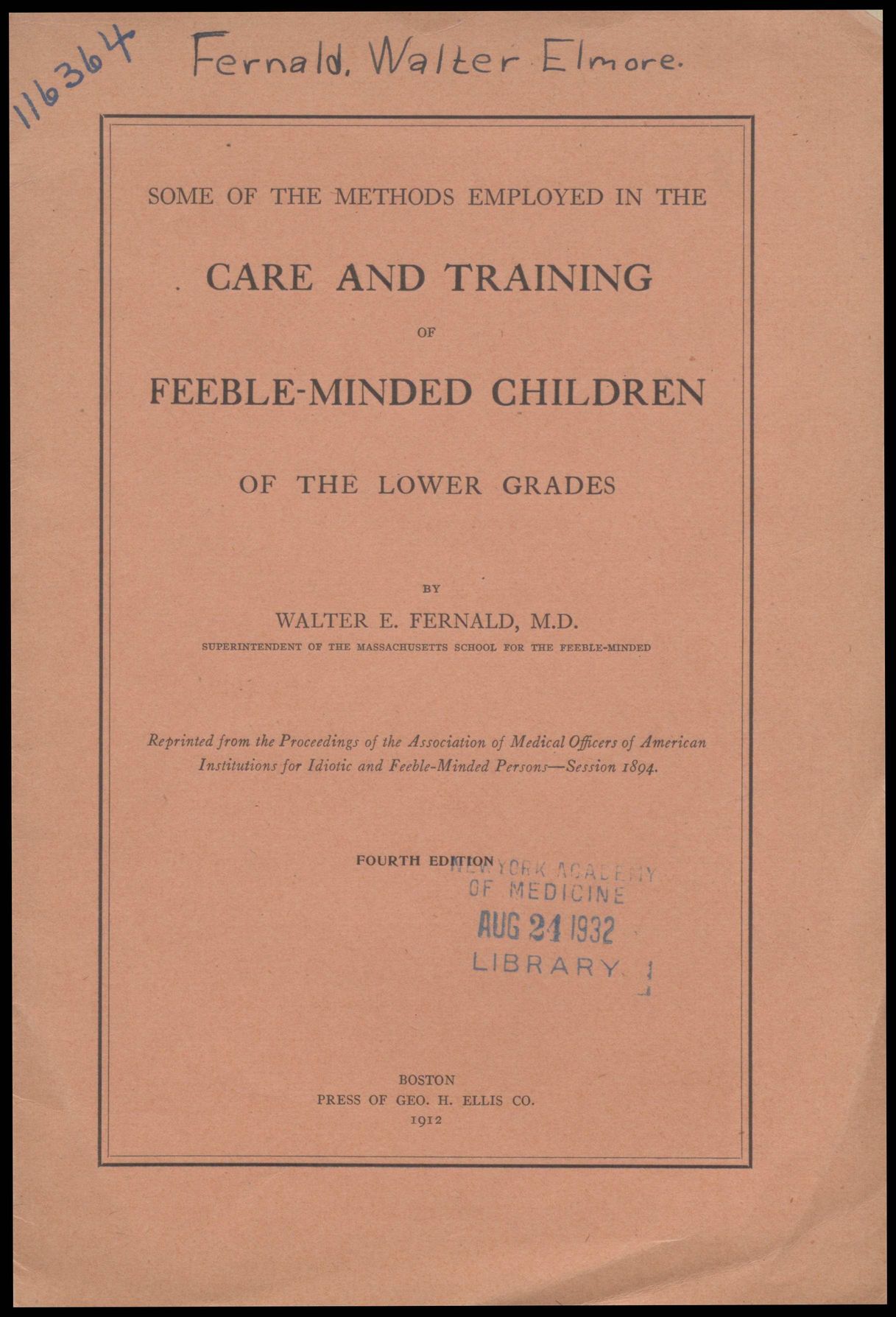
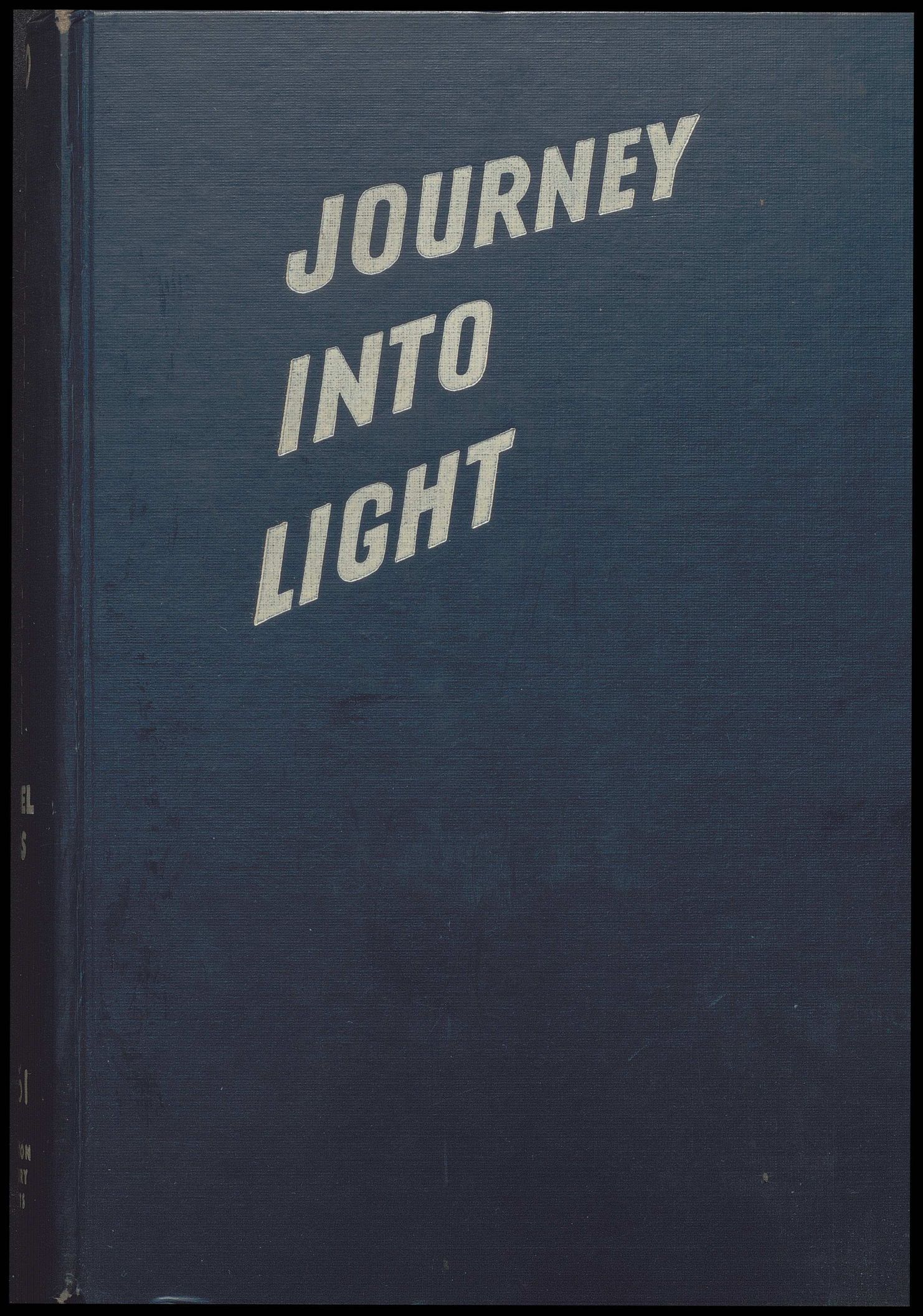

Left to Right: Cover of Fernald, Walter E (1912) Some of the methods employed in the care and training of feeble-minded children of the lower grades, Press of Geo H Ellis Co, Boston, 4th ed; Cover of Ross, Ishbel (1951) Journey into light: The story of the education of the blind, Appleton-Century-Crofts, Inc, New York; Cover of Great Britain, Board of Education (1938) The education of backward children, His Majesty’s Stationery Office, London.
The McMurtrie Cripples Collections focus on the treatment of children, and the rehabilitation and reintegration of soldiers with disabilities into the workforce post World War I. They highlight how attitudes changed in the early twentieth century from seeing disability as a burden to fostering a sense that those with a disability could still provide value in society.
There are examples of guidebooks for employers hiring the physically ‘handicapped’ or impaired, as well as those who were deaf or blind. These resources focused on what skills these people could offer, recognising that they often had creative ways to overcome obstacles — surprising employers with their capabilities. The concept of ‘sheltered employment’ or ‘sheltered workshops’ is introduced. There are also pamphlets highlighting suitable employment options for those with disabilities. In a sign of what was to come, titles include wording such as ‘good business practice’ and ‘opportunities’, reflecting a growing shift in attitudes.
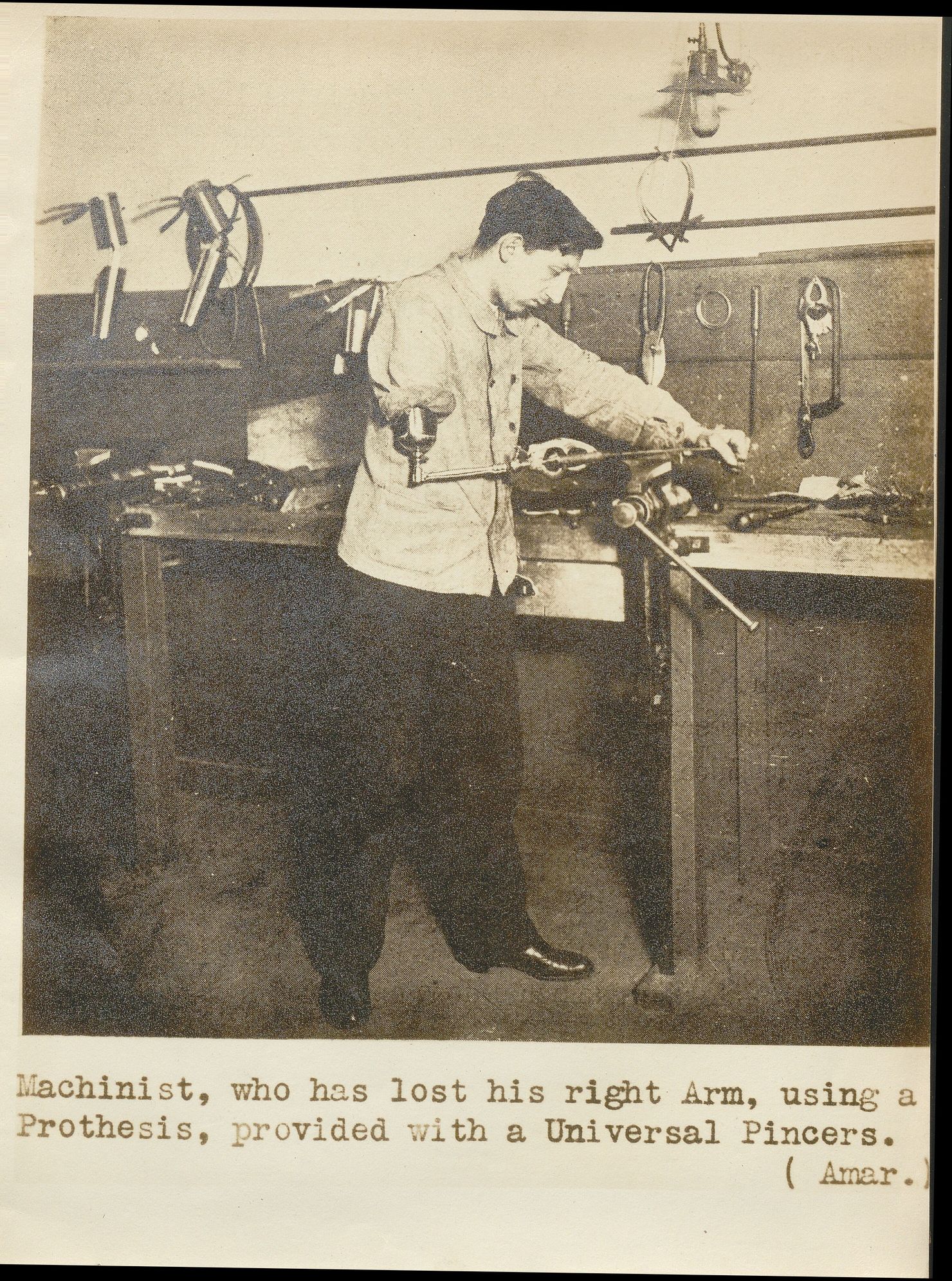
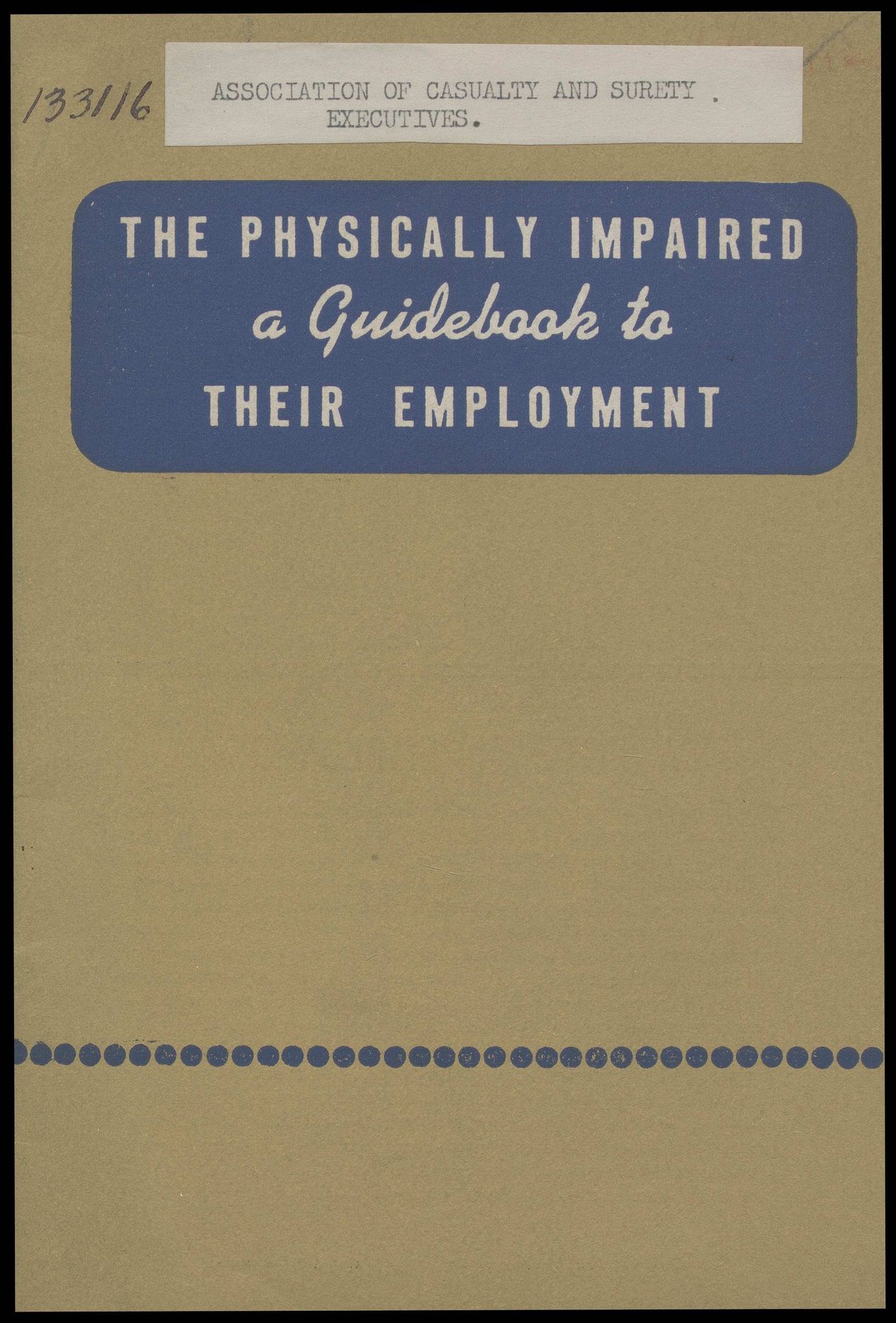
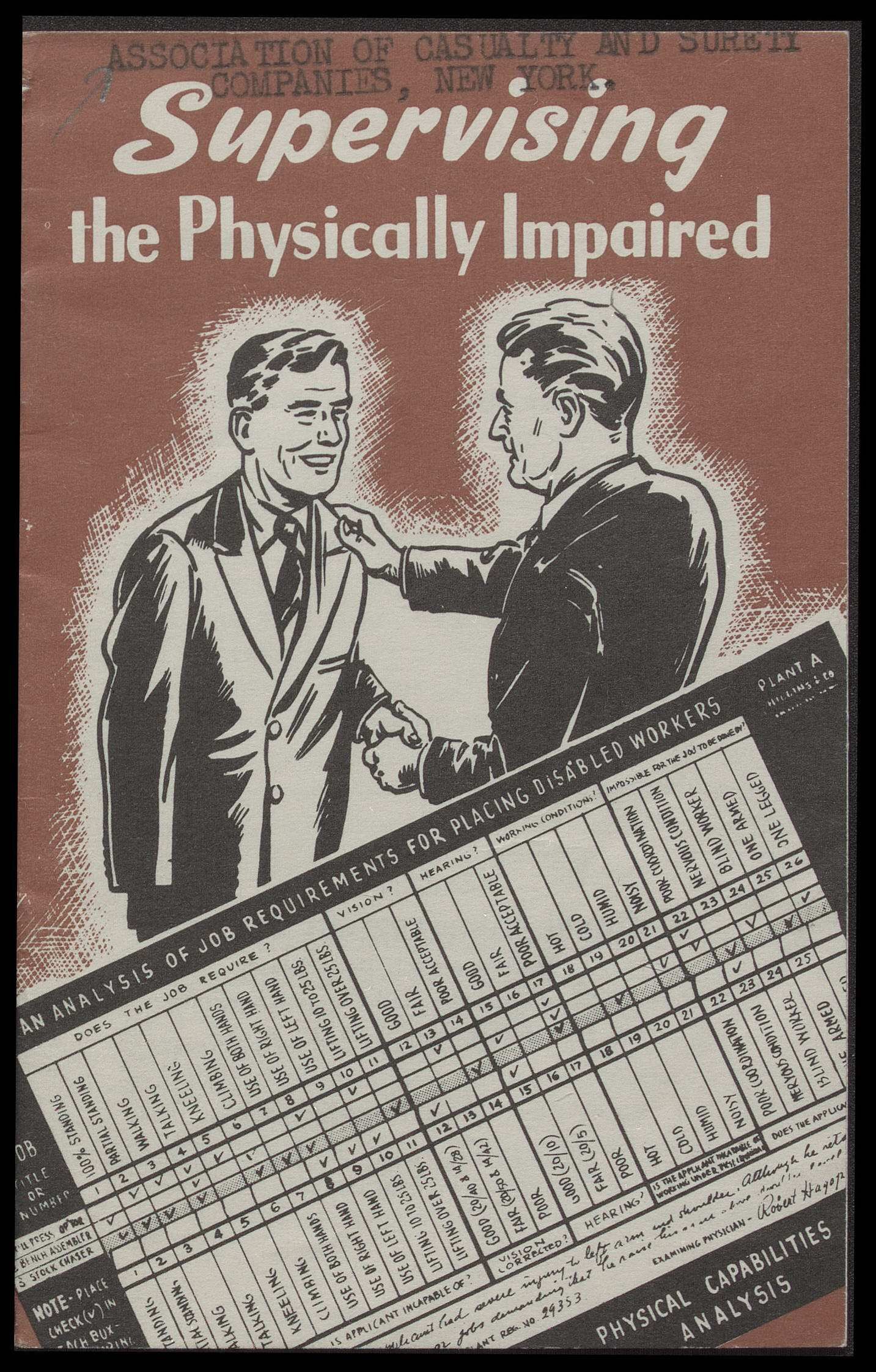
Left to Right: Image from McMurtrie Volume P262 McM’ (15 Apr 1918) [manuscript] Douglas C McMurtrie Cripples Collection, New York Academy of Medicine; Association of Casualty and Surety Executives National Conservation Bureau (1945) The physically impaired, a guidebook to their employment; Association of Casualty and Surety Companies, New York. National Conservation Bureau (1953) Supervising the physically impaired.
Accessibility features
The database uses Optical Character Recognition (OCR) on printed text, which has undergone additional optimisation for screenreaders. This text appears alongside the original document, making them easier to compare. However, it has not been applied to any handwritten text or non-English material. Results of keyword searches are also highlighted within the original text for context and while images are not tagged with alternative text, they are appropriately captioned and zoned for reading by screenreaders. Brightness and contrast can also be adjusted and colours inverted.
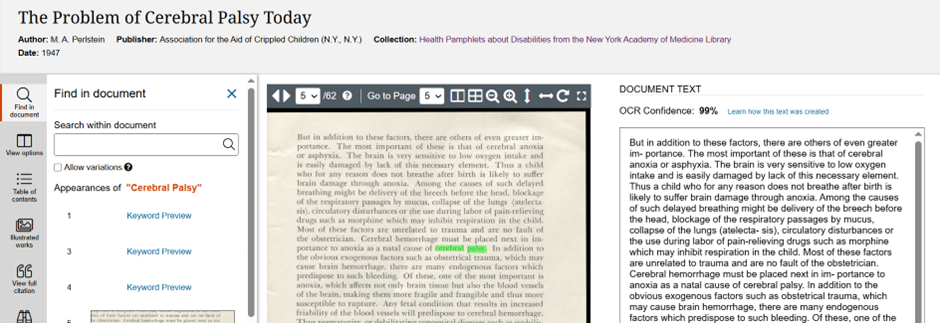
Examples of accessibility features. Optical Character Recognition alongside physical text with keyword highlighting.
More to explore
History of Disabilities complements another of our databases, Disability in the Modern World: History of a Social Movement (the subject of a previous blog). The latter showcases contemporary archives and material particularly focusing on the 1980s onwards, with themes including advocacy, human rights and media representation.
You can also see a full list of all new and trial databases, by visiting our A-Z Databases page.
References
- Lomax, M (1921) The experiences of an asylum doctor: With suggestions for asylum and lunacy law reform, George Allen & Unwin Ltd, London.
- Grant-Smith, R and Lomax, M (1922) The experiences of an asylum patient, George Allen & Unwin Ltd, London.

