
This Nineteenth Century Collections Online database has a sub-collection called The British Theatre, Music, and Literature: High and Popular Culture that contains several theatres and societies’ archives, correspondence, manuscripts, periodicals, playbills, and receipts.
One of the many great theatres featured in this electronic database is the Theatre Royal Drury Lane, which was built in 1663 and burnt down twice in 1672 and 1809. 1 It is quite remarkable to have access to their collection.

The early promotion materials were not designed to appeal graphically in comparison to modern times. Many of the playbills in this collection have no images and were text heavy. However, they are amazingly great for looking up names of actors, costume designers, dancers, music composers, and musical directors. Plus, the ticket price for entry!

Besides the Drury Lane Theatre, collections from other theatres and societies found in this sub-collection include the Royal Albert Hall, Royal Philharmonic Society, The Wandering Minstrels, and more. The Wandering Minstrels Archive includes some creative drawings of performers and audiences, while the Royal Albert Hall collection includes Scottish and Irish programmes.

From 1894, the Royal Philharmonic Society (then known as the Philharmonic Society of London) held concerts in the Queen’s Hall.2 Their programmes can be found in this collection. There are even musical and vocal scores here performed from their concerts, some with handwritten annotations. You might come across some autographed ones. Concert programmes from the Crystal Palace and St James Hall can also be found here. In addition, unique periodicals with musical scores used in private performances such as the Konzert Programm Austausch, once exclusive to a small circle of people, are now available via this database.
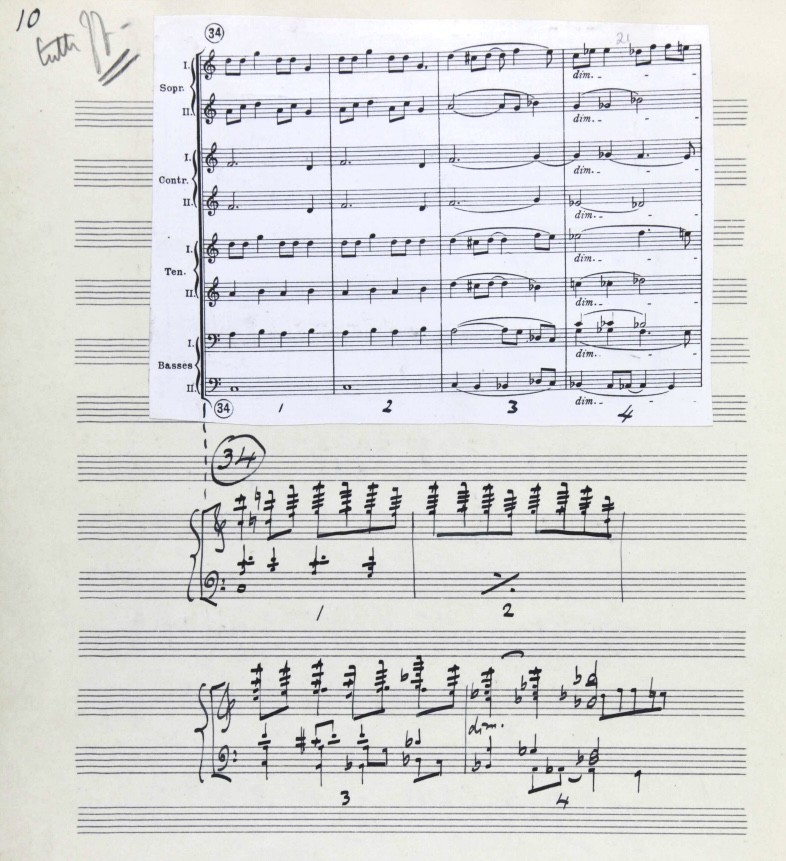

Moreover, there are notable individuals who impacted on British music in the nineteenth century whose digitised manuscripts are in this collection, including the likes of conductor, organist, and composer Sir George Smart (1776–1867) and music critic James William Davison (1813–1885).

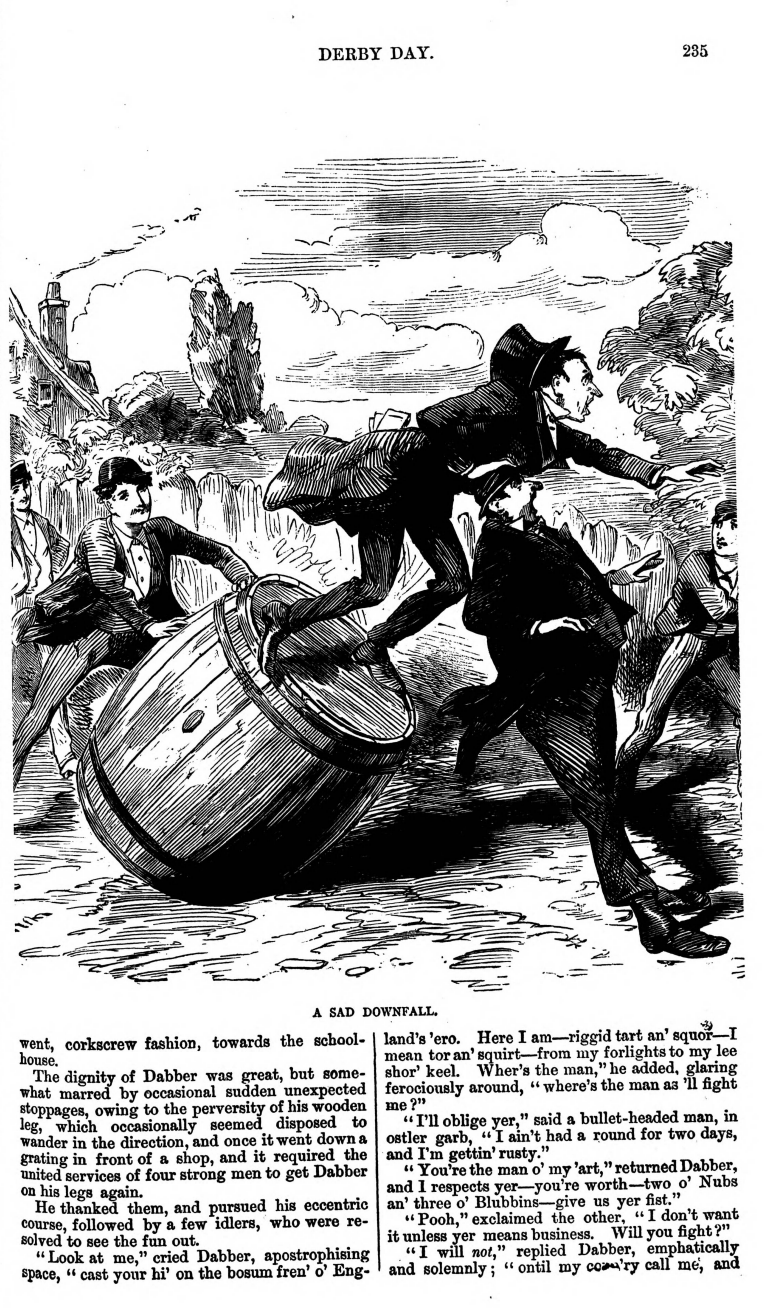
Besides music, you can also find popular literature from eighteenth and nineteenth century Britain in the Barry Ono Collection of Bloods and Penny Dreadfuls, and the The Sabine Baring-Gould and Thomas Crampton Collections. These collections showcase the methodology of storytelling in that period and the kinds of fiction that once appealed to the masses. Some of the literature includes line drawing cartoons and good ghost stories too.
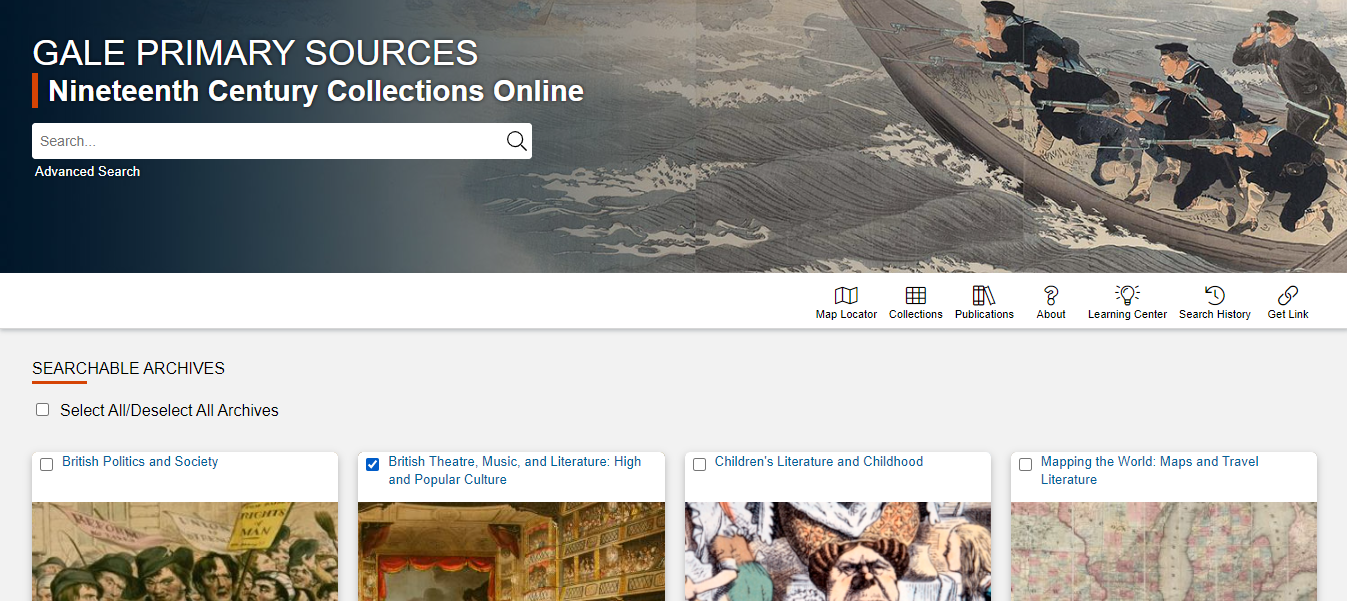
Now you might be wondering, how do I search for these fabulous items? Hot tip. Go to the home page of the Nineteenth Century Collections Online database. Locate the ‘Searchable Archives’ heading on the left and untick the ‘Select All/Deselect All Archives’ box. Then select ‘British Theatre, Music, and Literature: High and Popular Culture’.
Perhaps these treasures will inspire you to organise your own amateur theatre group or musical society someday…

