
State Library Victoria members can access hundreds of databases from home (if your home is in Victoria). That’s millions of articles, magazines, archives, ebooks, videos, songs, audiobooks and more, available through the catalogue anytime. We’re taking a closer look at new and/or interesting databases as well as hidden gems from our collections. Read on for top picks and tips from Librarians.
Not a member yet? Sign up online first and reward your curiosity.
Today we’re looking at Nineteenth Century Collections Online.
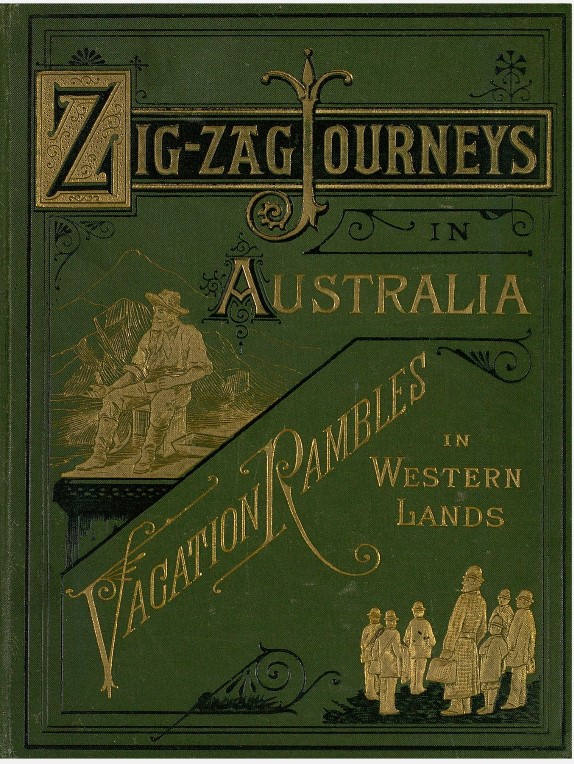
Exploring the 19th century
Anyone searching the State Library Victoria’s electronic collections for information on the 19th century may well come across the Nineteenth Century Collections Online (NCCO). This incredibly rich database put out by the Gale company consists of seven different subject areas, all closely linked by their focus on the 19th century.
The NCCO database content is broad and draws on resources of over one hundred libraries worldwide to cover British politics, society, popular culture, children’s literature and childhood, photography, Asia, Africa, Latin America and colonialism, women, science and medicine, and maps and travel.
Topics include:
- British Politics and Society
- British Theatre, Music, and Literature: High and Popular Culture
- Children’s Literature and Childhood
- Mapping the World: Maps and Travel Literature
- Science, Technology, and Medicine: 1780-1925
- Science, Technology, and Medicine: 1780-1925, Part II
- Women: Transnational Networks
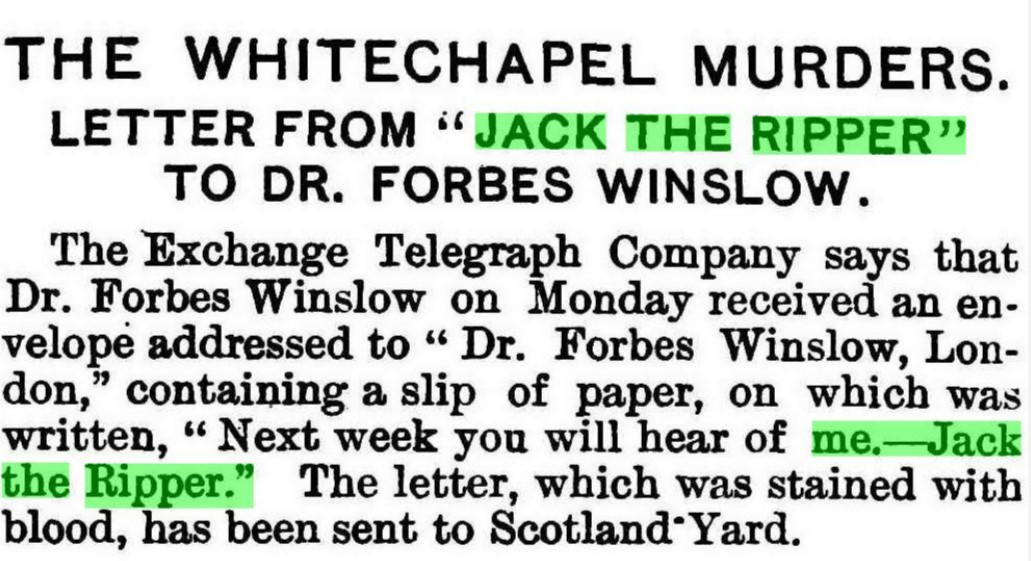
Material is both rich and diverse — giving a broad view of this creative century — with digitised collections being made up of books, manuscripts, newspapers, periodicals, photographs, maps, letters and much more. They are a wonderful electronic extension to one of the State Library’s major research strengths: its 19th century British collections. These collections were established in Victoria’s colonial period and developed in the 20th century. Popular culture topics are always good to use as examples and an inquiry into ‘Jack the Ripper’ can bring up a variety of material including:
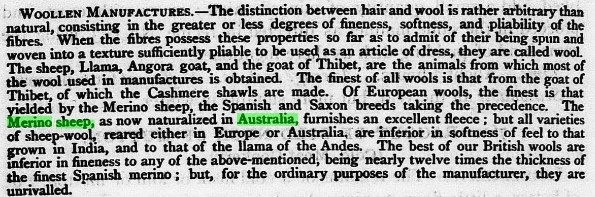
A more colonial inquiry into merino wool can bring up other comments such as this:
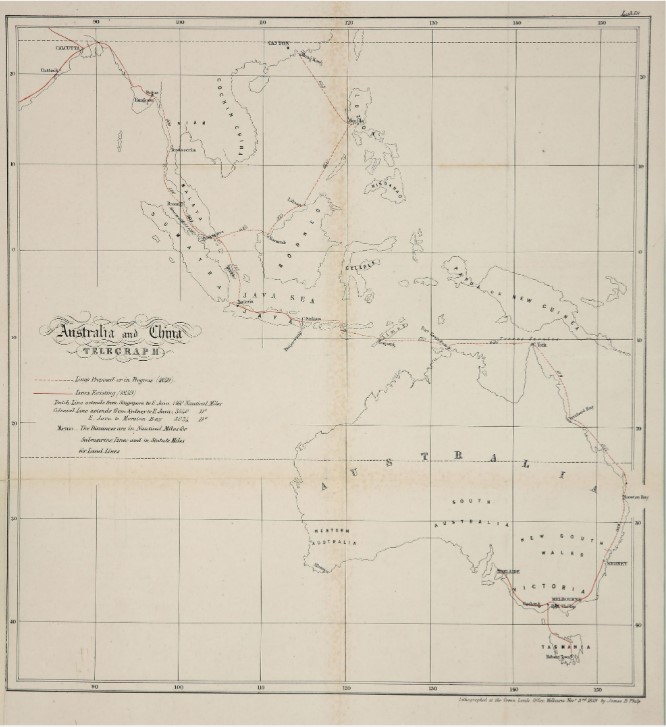
Searching will sometimes bring up unusual items. For example, when I searched for information on telegraphic connections to colonial Australia, I found this map (below) covering proposed telegraph connections between Australia, India, Singapore and Hong Kong from 1859:
Popular culture and children’s books are well covered, and we can see that resources are sometimes in databases other than the obvious. Alice in Wonderland and Peter Pan images can appear in the Children’s Literature and Childhood database as well as a variety of others that also deal with family, publishing or cultural issues.
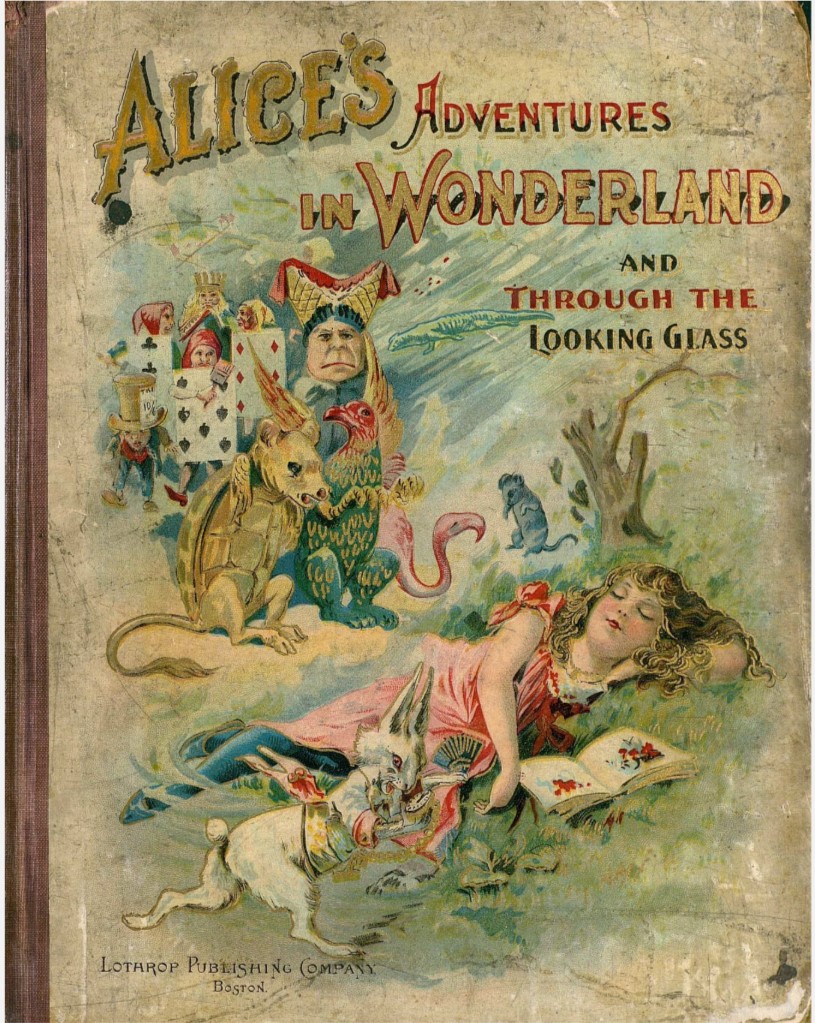
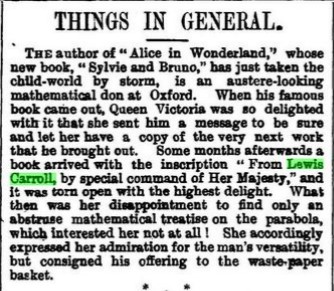
The State Library does not have this specific printing of Alice’s Adventures in Wonderland from 1885 but holds earlier and later printings and, as you can see from the news article below, Queen Victoria may have liked Lewis Carroll but was not amused by mathematics:
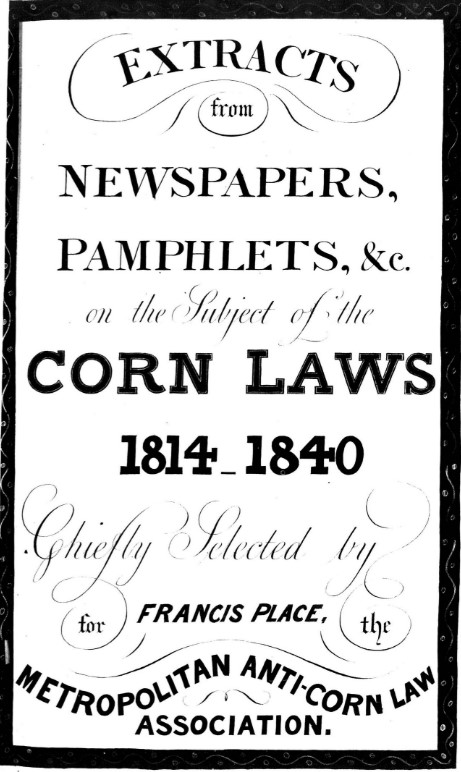
Researching political topics is just as rewarding and we can unearth material such as the 226 page compilation of Corn Laws material that was a defining concern of the first half of the 19th century in the UK. The State Library does not have this specific publication even though it has much material on the history of the Corn Laws controversy, so the primary source in this database is invaluable.
The State Library’s printed collection has its basis in the material amassed at the time the Library was established in the 1850s and, with Redmond Barry’s support, its core collections continued to grow. Each decade since that time has added a selection of newly released or revised material, expanding the collection to a major research level that now also includes the 19th century British Parliamentary Papers, the Times(London) newspaper from 1785 onwards along with other major 19th century UK newspapers, and a range of British journals in both print and electronic format.
This database provides digital access to primary materials that open a window into the cultural, historical and socio-economic background of our colonial past and offers pathways to explore the way we have developed. You can search an individual database, as they are listed separately on the collection A-Z listing, or choose to search the whole 19th century online collection with the same search terms. The Nineteenth Century Collections Online database is a rewarding complement to the State Library’s already rich collections and we encourage you to explore its riches.

