
The early 1900s was an exciting time to be a detective. Innovations in science and technology, combined with the popularity of detective stories, shifted crime fighting away from the seedy world of informers, which had influenced the early years of policing, towards the detection of crime using scientific methods and forensic evidence. One Victorian detective made a significant contribution in this field.
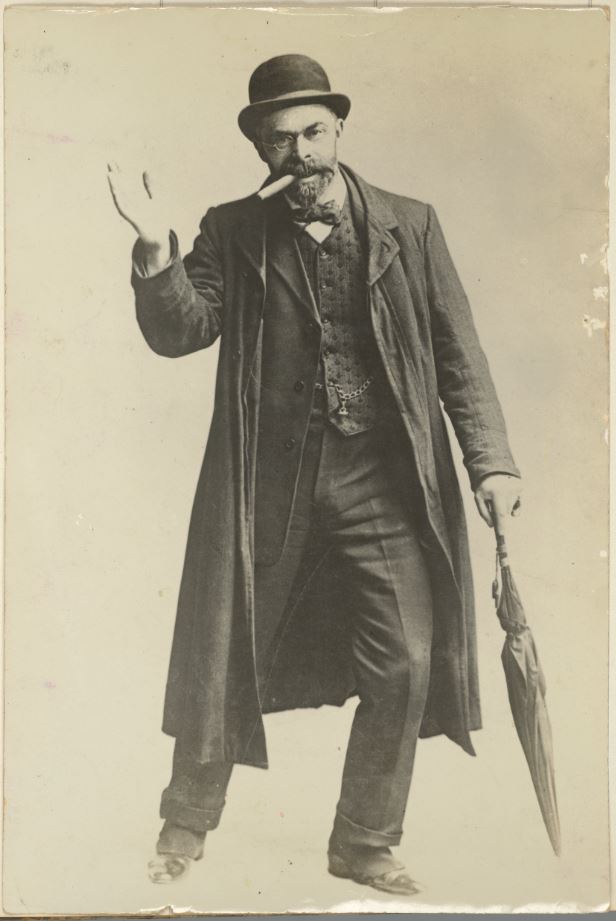
In a career that spanned 36 years, Detective Frederick John Piggott would gain a reputation as the ‘dandy detective’, be compared to Sherlock Holmes, and would be recognised as a pioneer of forensics in Australia.
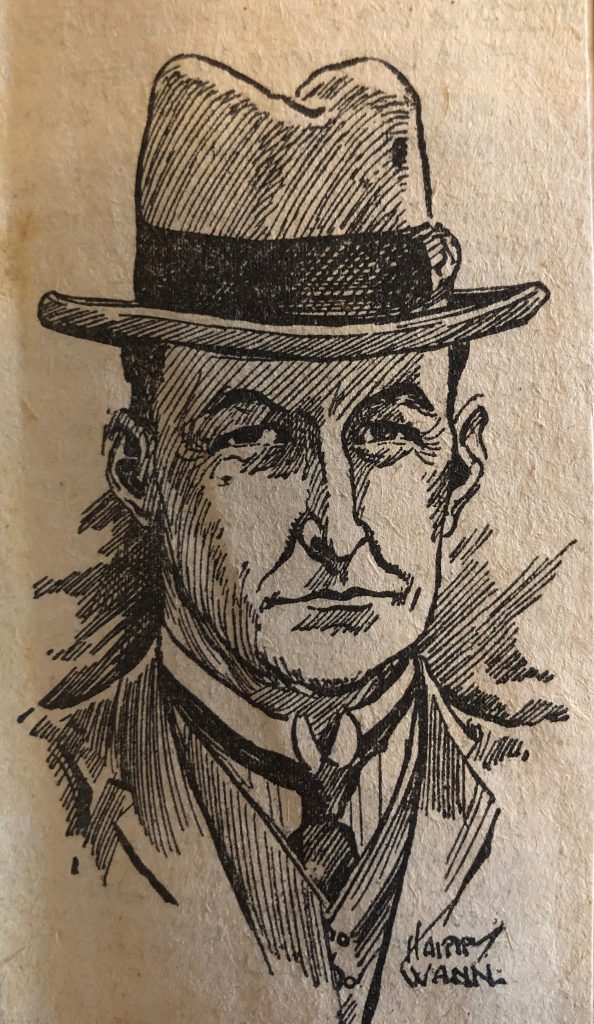
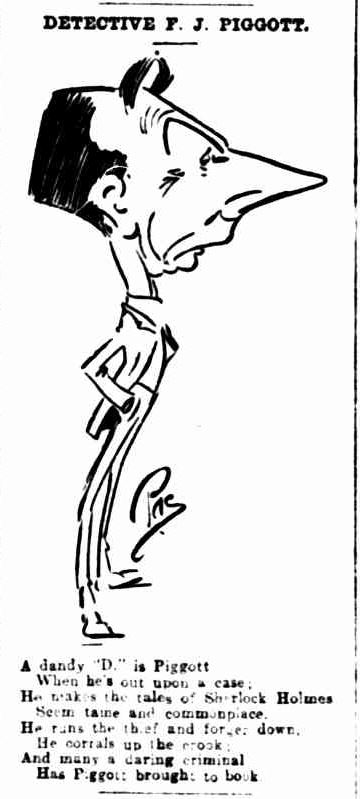
Left: Sketch of Detective Piggott in Scrapbooks, 1900-1961; MS 13559. Right: A catchy rhyme and sketch of Detective Piggott, Truth (Melbourne edition), 23 January 1915, p 3.
The rise of Detective Piggott
Born and bred in Victoria, Piggott joined the police force as a mounted trooper in 1898. His first posting was at Rutherglen, followed by Harrietville, Eldorado, Glenrowan and Avenel, where his reputation as a talented horseman and a sharpshooter with a rifle came in handy.
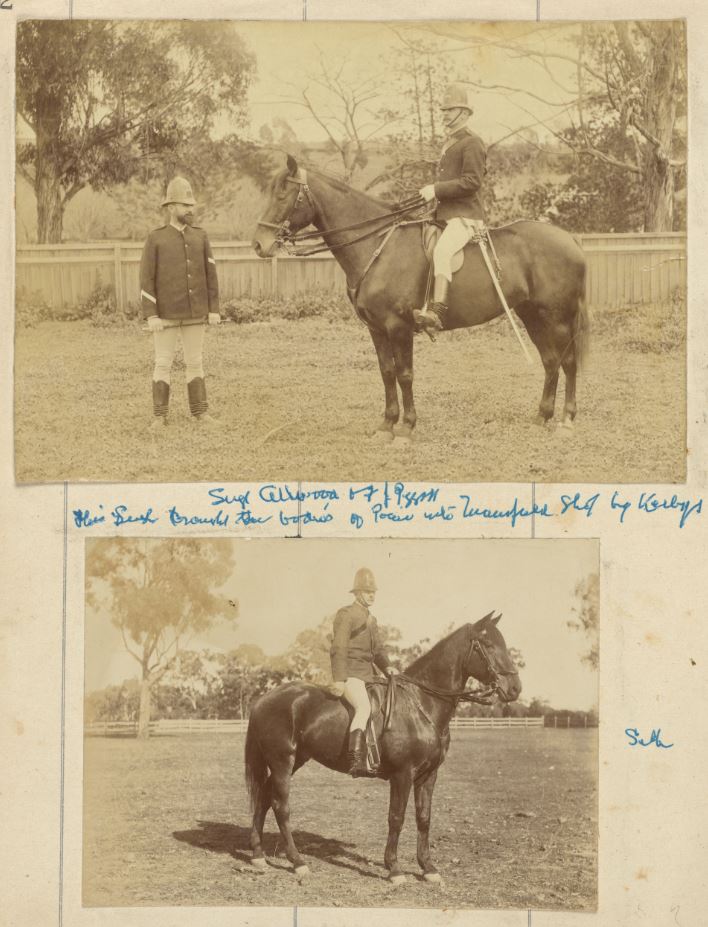
In one newspaper article, Piggott is described as having pursued a suspect from Harrietville, along the Dargo River and through rough terrain and snow, spending days on the road with his horse. When he caught up with his quarry, Piggott had travelled some 160 miles in pursuit.1
Piggott’s intellectual talents were perhaps wasted on purely rural crimes, and so in 1912, Piggott applied for a posting as a detective in Melbourne’s Criminal Investigation Bureau. It wasn’t long before he got his teeth into the business of detection.
Crime scene photography
In December 1916, Piggott was called to investigate the death of Isabella McMichael, who had died of a gunshot wound. The suspicious death had taken place on a farm near Heyfield in Gippsland. The newspapers were quick to jump on the case and report it as a murder, but Piggott wasn’t convinced.
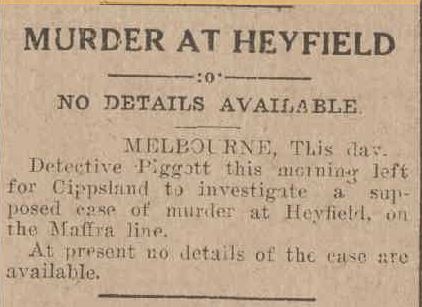
Using his interest in photography, Piggott photographed the crime scene, showing the position of the body in relation to the rifle, as well as the patterns of blood. He analysed the evidence to determine how far away the gun had been from the body when it was fired. At the Coroner’s Court, Piggott submitted his blood pattern analysis as well as his photographs of the crime scene as evidence. These photographs are included in his scrapbooks in the Library’s collection.
Piggott’s testimony, backed up by his photographic evidence, ensured that McMichael’s husband was exonerated from any guilt in her death. It was the first time blood spatter analysis was used in Australia’s forensic history2 and one of the first uses of crime scene photography in the Coroner’s Court.
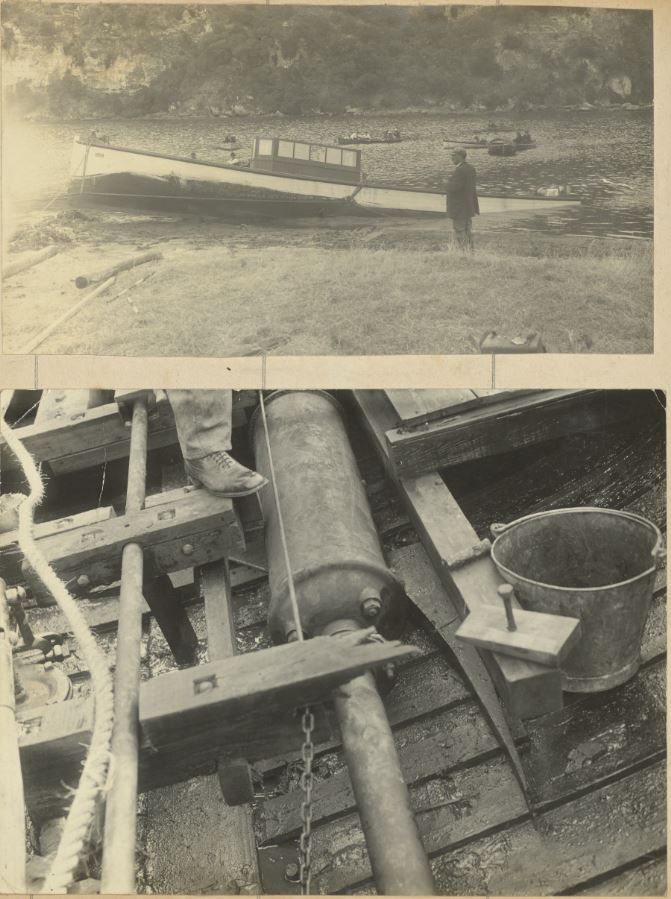
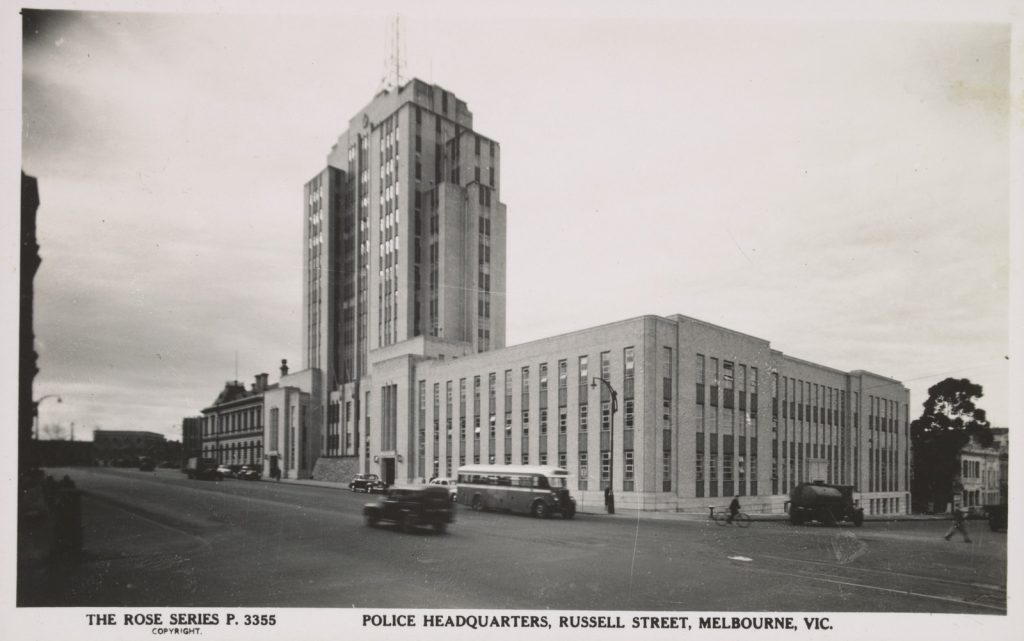
Piggott’s crime scene photographs were a precursor to a Victorian Police photography department, which was updated with the latest equipment in 1929. Prior to this, the department made use of only one camera and the studio used to develop photographs was in an old wash house located at headquarters.3
Hair sample analysis
One of the biggest cases of Piggott’s career came in 1922 when Alma Tirtschke was murdered in Gun Alley. This time Piggott utilised a new forensic technique, hair sample analysis.
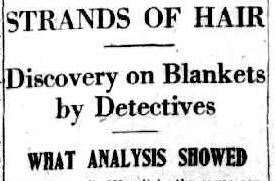
Strands of Alma’s hair, obtained by Piggott, were analysed against hairs on blankets found at the residence of Colin Ross, Piggott’s prime suspect. At Ross’s trial, a medical analyst testified that he had examined the hairs under a microscope and deemed that the samples were likely a match. Ross was found guilty and hanged.
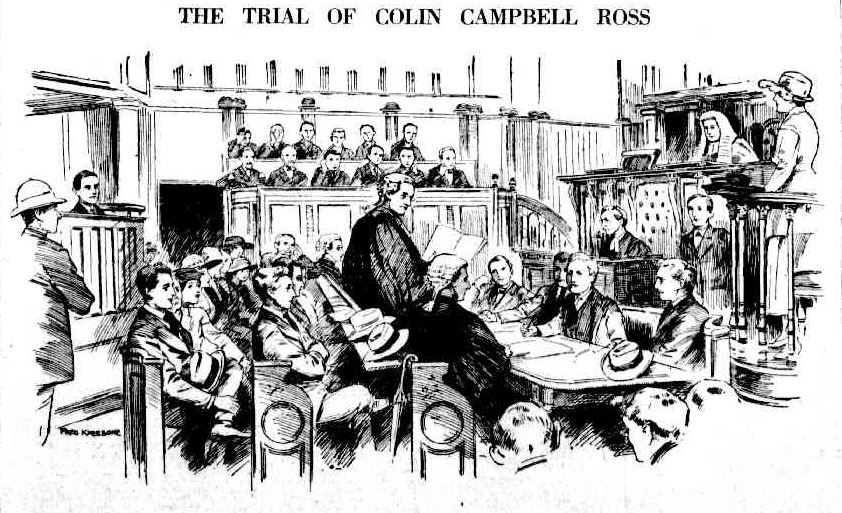
This case was the first time that comparison of hair samples obtained a conviction in an Australian court,4 and the techniques used were a pre-curser to DNA profiling which is considered the cornerstone of forensic investigation.
DNA profiling was first used in an Australian court case in 1989,5 and while Piggott’s use of hair samples is often marked as a significant turning point in the development of forensics, in later years it would be proven that the hairs were not a match. In 2008 Colin Ross was posthumously pardoned for the crime after a campaign for modern forensic experts to re-analyse the samples.6
Fingerprints
The use of fingerprints in the identification of criminals was first introduced to Victoria in 1903.7 Australia’s system was based on the methods used by the Fingerprint Bureau in England, a division of Scotland Yard that had been set up in 1901.8
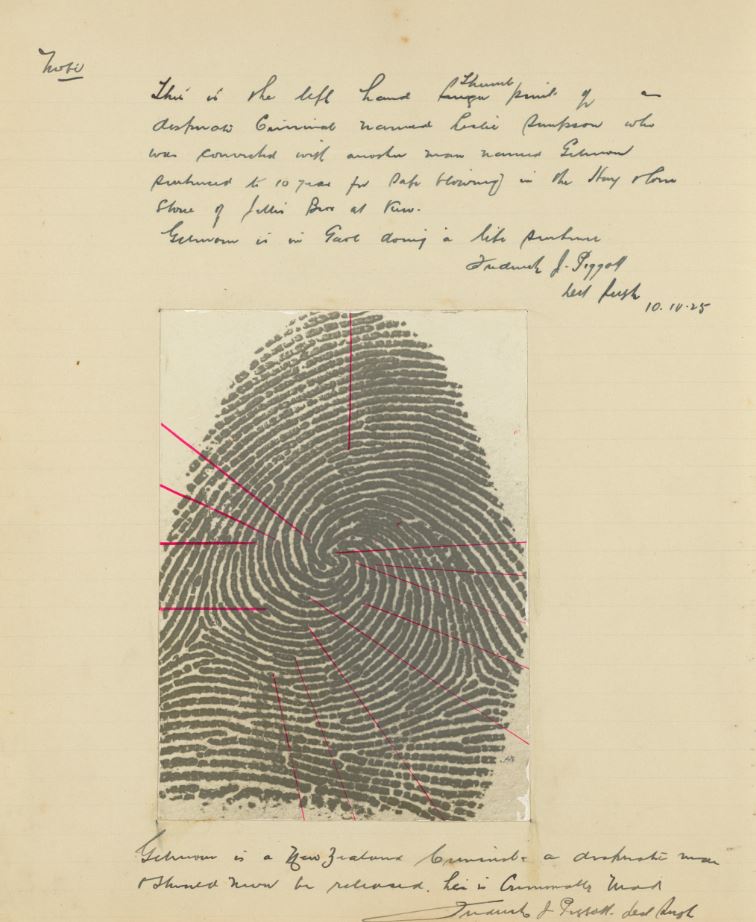
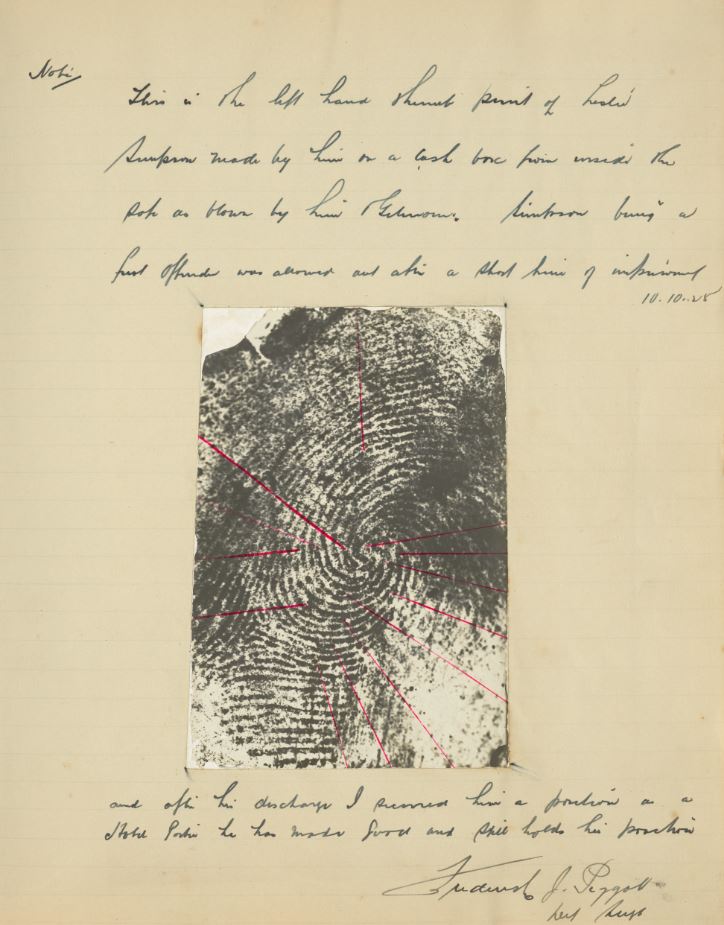
Detective Piggott’s notes as he was learning the intricate details of fingerprint identification. Scrapbooks, 1900-1961; MS 13559. Photos by SLV Digital Production team.
In 1926, Piggott was sent abroad by the Victorian Government to learn police methods in the United Kingdom, Europe and America. He spent several months with Scotland Yard in London and learned from the experts about classification techniques. In the years after his visit, Piggott advocated for the adoption of an Australia-wide fingerprint system not just in crime detection, but also the armed forces, where he argued that use of a fingerprint system would allow fallen soldiers to be identified more easily.9
In 1968, the National Automated Fingerprint Identification System was introduced in Australia. This allowed for fingerprints to be checked on a database across all states in Australia, and was a world first.10 In Piggott’s day, the identification of fingerprints was a laborious task as staff had to manually search paper slips for matches, often with a magnifying glass.
Ballistics and the Police line-up
Of his travels in America to observe their policing methods, Piggott said that ‘their ways are not ours.’11 During his ten day stay in Chicago, he reported that ten murders had taken place, and he had witnessed two shootings including one that happened below his hotel window. It was a good thing then that as part of his overseas trip he would later be learning about advancements in ballistics from the police in France.12
Photographs in Piggott’s scrapbooks show him learning how markings on bullet cases could be used to match which gun a bullet had been fired from. His training came many years before Victoria Police got their first ballistics microscope, which was in 1938. Prior to this, detectives would have to send bullets and cartridges away to specialists in Sydney for analysis.13
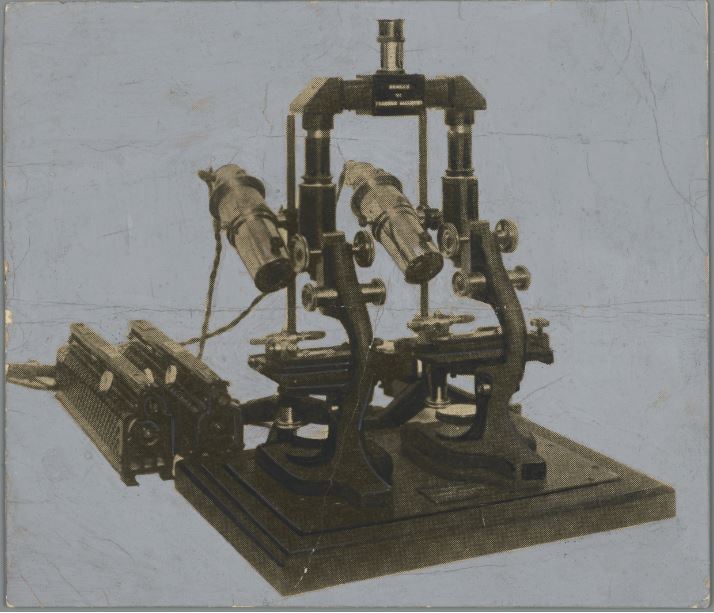
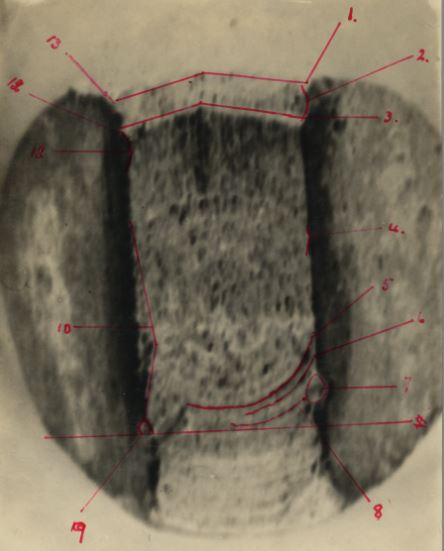
Left: Image of a ballistics machine that Piggott kept in his scrapbooks; Right: Piggott’s up-close analysis of a bullet; Both images from Scrapbooks, 1900-1961; MS 13559. Photos by SLV Digital Production team.
Although Piggott was unimpressed with the crime rates and policing methods that he found in America, he was complementary of improvements they had made to the traditional ‘line-up’. Normally, those taking part in identification line-ups would be present in the same room, with suspects and witnesses able to see each other. This could lead to intimidation, and so the American method was to use bright lights so that police and witnesses could remain unseen.14 On his return to Victoria, Piggott introduced this new method for ‘line-ups’ to policing in Victoria.
Personal tragedy
For a man who contributed so much to the development of crime scene investigation, Piggott was once let down by the evidence.
In 1922, Piggott’s son was riding his motorbike when a motorcar coming in the opposite direction swerved onto the wrong side of the road, hitting him directly. Piggott received the call that a serious accident had taken place, and found that his son was the badly wounded victim. Always a professional, Piggott ensured that photographs were taken at the scene of the wreckage and of the markings on the road. Only after all forensic evidence was secured did Piggott go to the hospital, arriving to find that his son had passed away.15
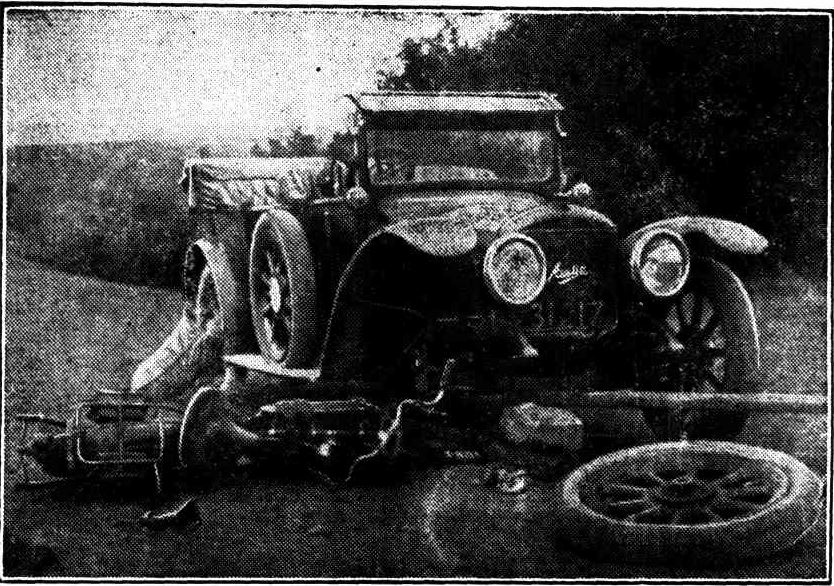
The driver of the vehicle, William Furphy, was not prosecuted as the Crown office felt that there was insufficient evidence to convict him of manslaughter.16 Piggott’s son was just 18 years old and it was a double tragedy as Piggott’s wife had died one week earlier.
Legacy
Piggott retired in 1934, having reached the rank of Superintendent. Like many other detectives who served during this exciting period, Piggott recounted tales from his detective days in newspaper articles, writing that, ‘it is the small things that count in successful crime detection’17— the detail captured in a photograph, the lone fingerprint, the strand of hair, the minute markings on a bullet case, the pattern of blood stains.
Piggott died in 1961 and while the man behind these fascinating insights into the world of a detective can feel elusive, Piggott’s grandson remembered him like this:
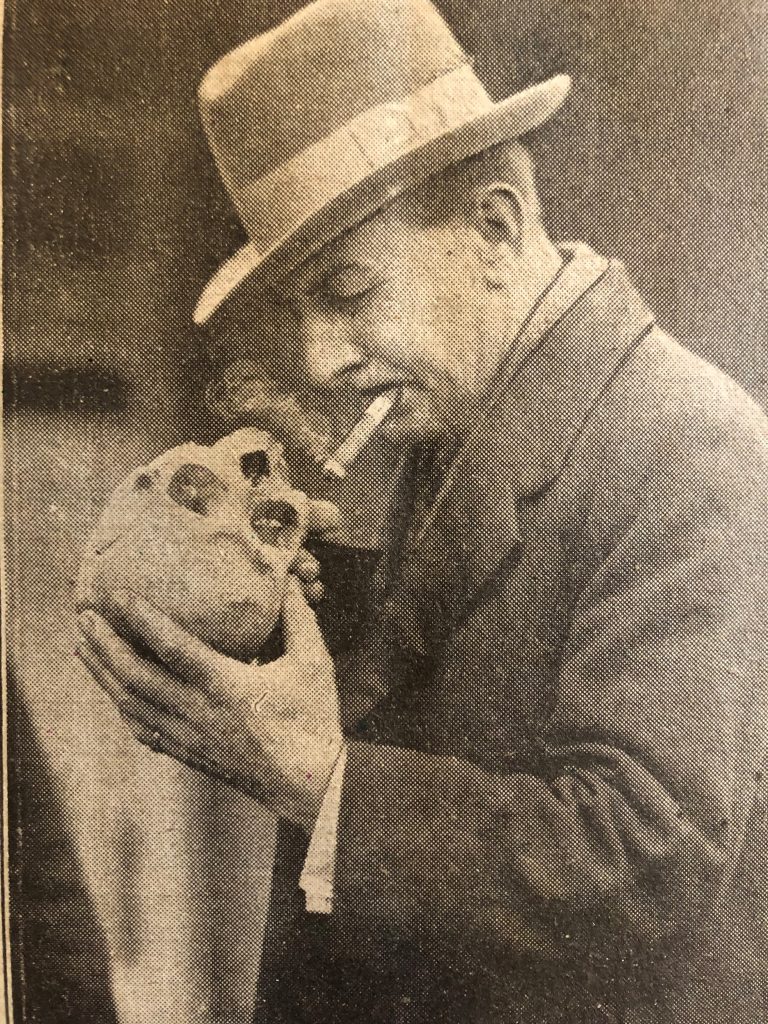
‘He was a stickler for doing things right… He was a gentleman. He took pride in his appearance and as a detective he was always well dressed, wore his Homburg hat, had a white rose in his buttonhole and carried a walking stick or folded black umbrella.’18
The very picture of a dandy detective!
You may also like…
References
- Ovens and Murray Advertiser, 13 September 1902, p 11.
- Morgan K (2012) Detective Piggott’s casebook: true tales of murder, madness and the rise of forensic science, Hardie Grant Books, Melbourne, p 54.
- The Herald, 6 April 1929, p 17.
- Morgan K (2012) Detective Piggott’s casebook: true tales of murder, madness and the rise of forensic science, Hardie Grant Books, Melbourne, p 54.
- The Canberra Times, 6 June 1989, p 4.
- Davis A (16 May 2012), ‘The curious case of the librarian and the detective‘, The Age, accessed 13 July 2025.
- Carnovale M (2013) ‘Evidence of time’, Police Life, Autumn, p 13.
- Browne D G and Brock A (1953) Fingerprints: fifty years of scientific crime and detection, G G Harrap, London, p 48.
- Port Adelaide News, 22 August 1930, p 4.
- As above.
- Sunraysia Daily, 2 February 1927, p 4.
- Morgan K (2012) Detective Piggott’s casebook : true tales of murder, madness and the rise of forensic science, Hardie Grant Books, Melbourne, p 286.
- The Mercury, 10 October 1938, p 6.
- Morgan K (2012) Detective Piggott’s casebook : true tales of murder, madness and the rise of forensic science, Hardie Grant Books, Melbourne, p 286.
- The Herald, 5 January 1923, p 5.
- The Sun-News Pictorial, 21 March 1923, p 4.
- The Herald, 28 January 1935, p 28.
- Carnovale M (2013) ‘Evidence of time’, Police Life: 160 years of policing, Autumn, p 13.


Well researched piece of history. A great read.
This policeman was at the forefront of techniques used today.
Than you Melissa I thoroughly enjoyed this piece of history. Forensic science has come a long way in a little over a hundred years.
More stories like the Piggott story would be great
Interesting read. Thankyou
Thank you for this fascinating read.
very informative and thought provoking. I have not even considered this topic until your research article. I imagine the writer would have been captivated in the findings as much as the reader is.
Thank you for sharing
What a fascinating article. Such an interesting career
Your 18 references will open doors for a good read; thank you Melissa.
One for you : CRIME CHEMIST by Alan Dower, John Long Ltd. 1965.
Thanks Viv! I’ve not read ‘Crime Chemist’ but we have a copy at the library so will give it a read!
There was an element of dodginess about Piggott and his “methods”. For example, Colin Campbell Ross was hanged on the basis of a “comparison of hair samples” in the Alma Tirtschke murder case in 1922. A committee was formed at the time that argued Ross was innocent, and a detailed rebuttal of the Crown case was published. In more recent times, others picked up the case, and in 2008 the Victorian Government gave Ross a full pardon. This information is freely available from contemporary news articles, and on Google, and frankly I’m surprised that no mention of it was made in the above piece. It appears that Piggott quite liked the image of himself projected by the newspapers, and fell prey to “expediency” to gain the Ross conviction, at least.
Hi Eric, thanks for your comment. I have mentioned in my blog that the analysis was later proved wrong, you can find this information in the paragraph, “DNA profiling was first used in an Australian court case in 1989, and while Piggott’s use of hair samples is often marked as a significant turning point in the development of forensics, in later years it would be proven that the hairs were not a match. In 2008 Colin Ross was posthumously pardoned for the crime after a campaign for modern forensic experts to re-analyse the samples.” The library holds a fantastic book referenced in my blog called ‘Gun Alley’ by Kevin Morgan which is all about the case and the campaign to pardon Colin Ross. You can find it in our catalogue here: https://find.slv.vic.gov.au/permalink/61SLV_INST/1sev8ar/alma9923244873607636