
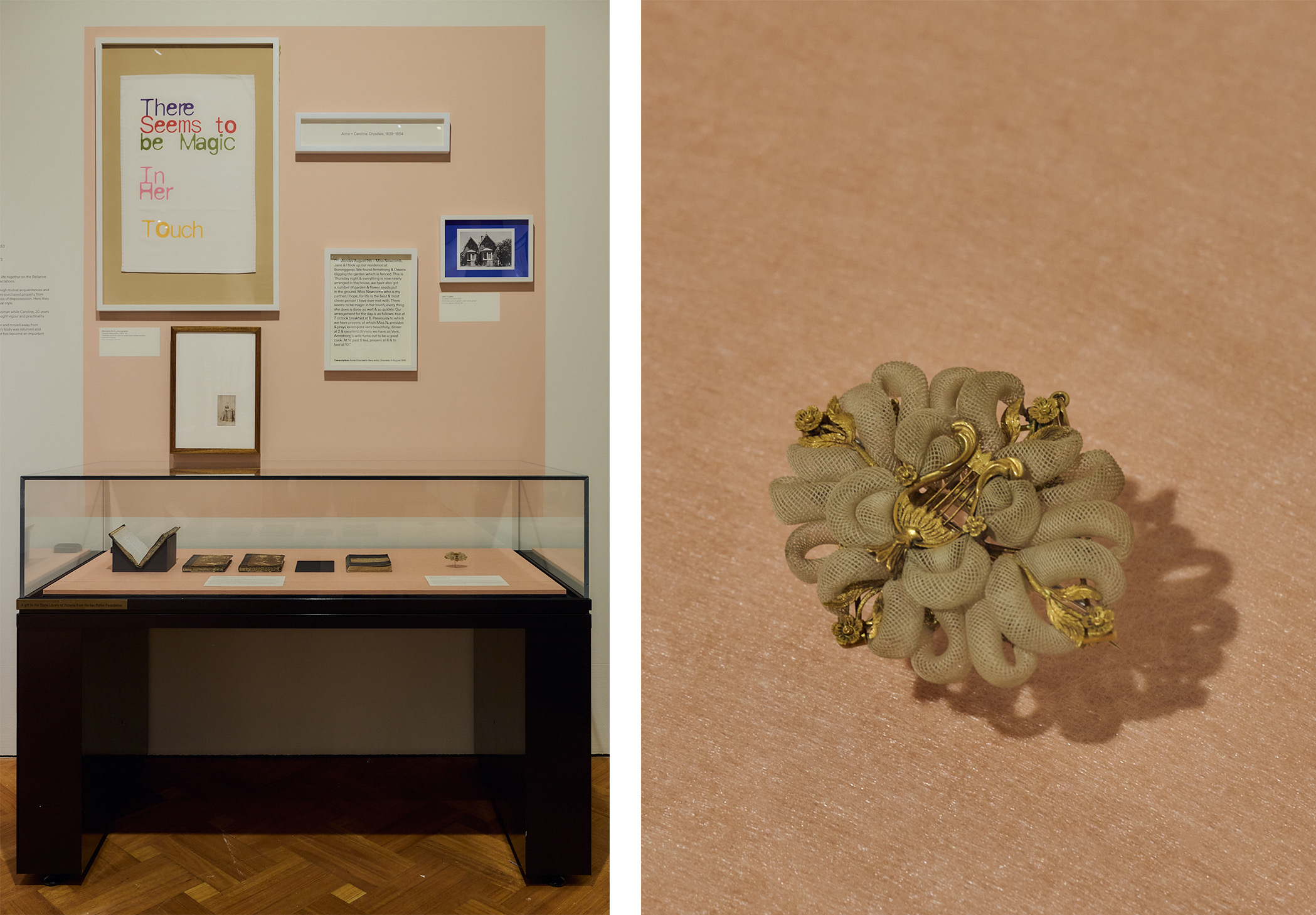
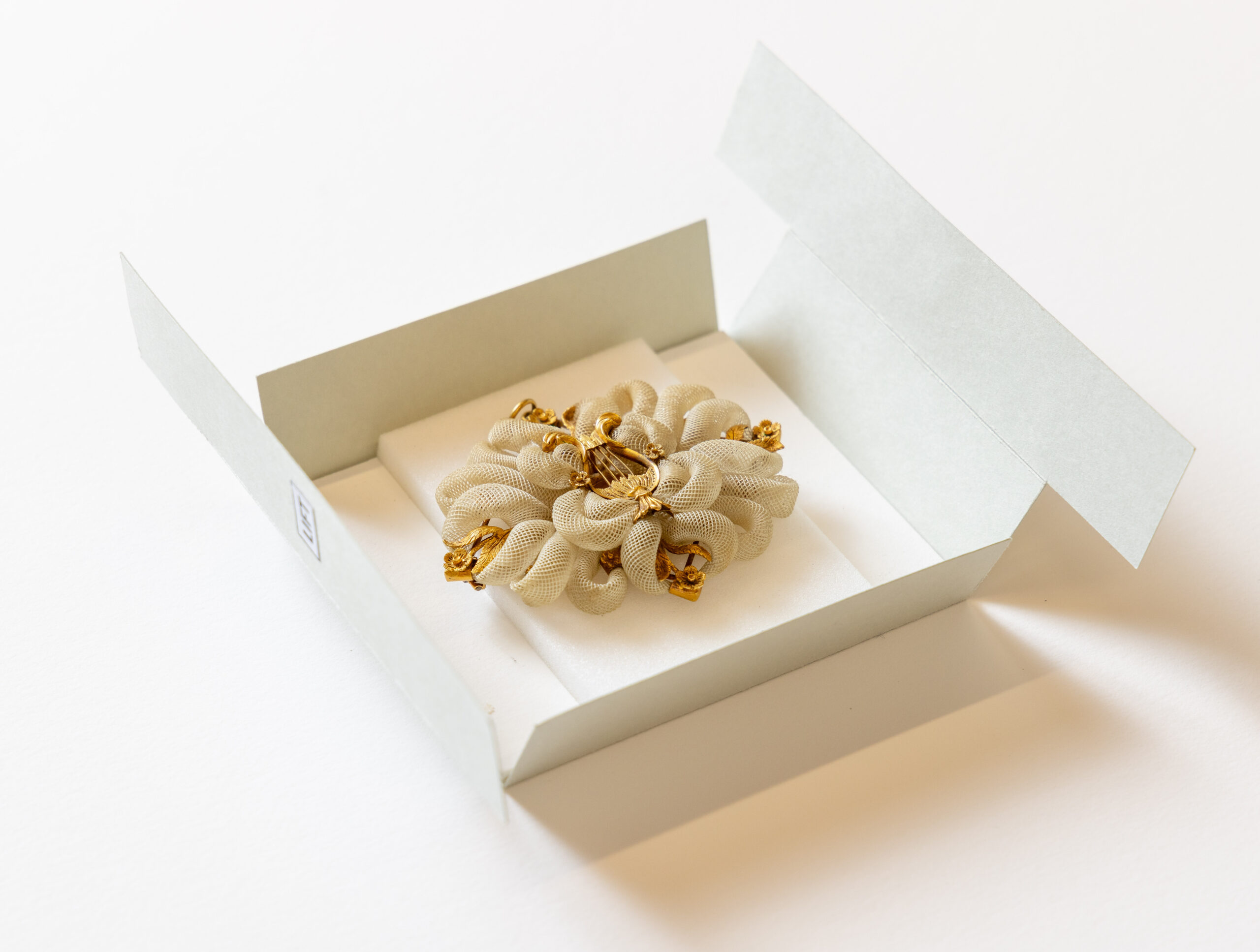
Early visitors to Rebel Heart: Love letters and other declarations may have noticed a small but quietly powerful presence among stories of defiance and devotion: the Mourning brooch made from the hair of Miss Anne Drysdale (H3488). Dating to around 1854, the brooch is rare, intimate, and deeply personal. It is also extremely fragile.
While the brooch will be rotated off display in mid-2026, as part of a long-term preservation strategy, its inclusion in Rebel Heart enabled close conservation study and documentation, ensuring its story can continue to be shared through research, interpretation, and alternative forms of access – well beyond its time in the gallery.
What is mourning jewellery?
Mourning jewellery flourished in the Victorian era (1837-1901) as a means of expressing grief and remembrance after the death of a loved one, often incorporating jet, onyx, and most intimately, human hair. Hair was especially valued as it carried strong personal association, allowing the wearer to keep a physical trace of a loved one close to the body. Producing hairwork demanded specialised skill, with carefully prepared strands woven into decorative forms and secured within ready-made or specially commissioned mounts.
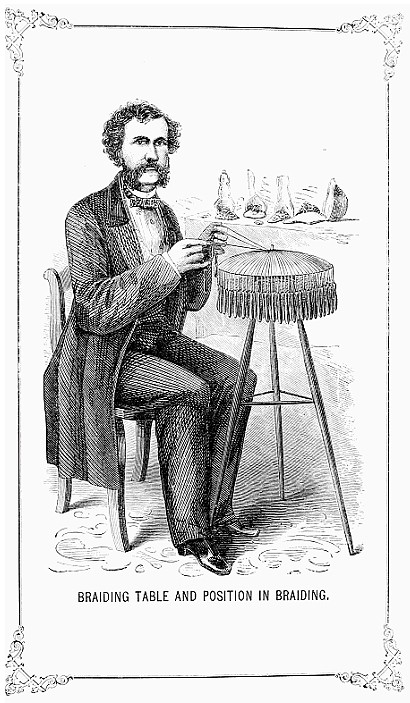
Two common techniques included table-worked and palette-worked hair. Table-work involved braiding hair on a specialised table to create flexible and durable, often hollow forms that could be used directly as chains, fobs, pendants and so on, or arranged into more complicated three-dimensional ornamentation. By contrast, palette-work arranged hair on a flat surface into intricate two-dimensional motifs, from a single curl or basket-weave pattern to an elaborate miniature scene, typically enclosed beneath glass.
Anne Drysdale and Caroline Newcomb
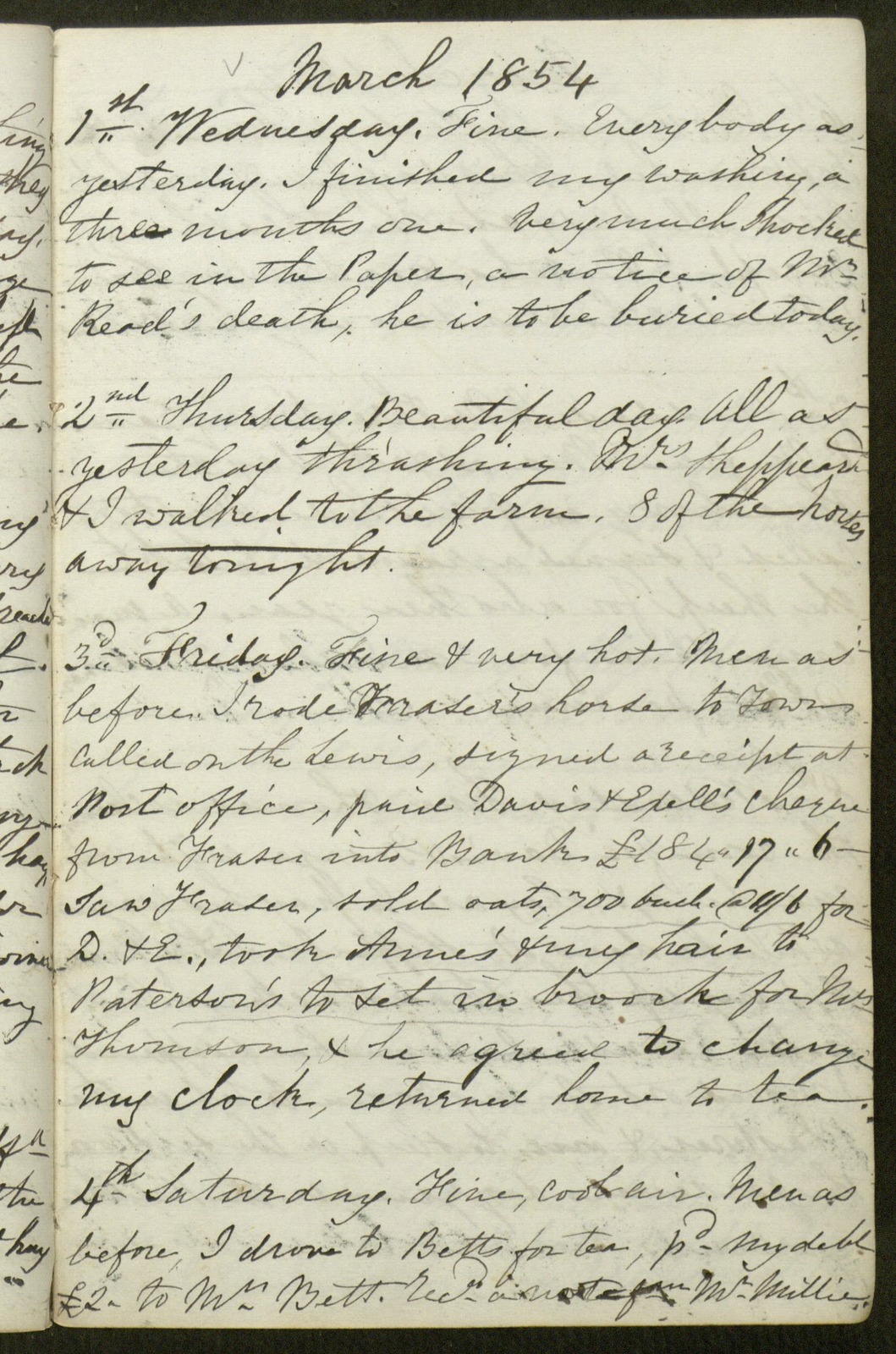
What makes this brooch especially compelling is whose hair it is believed to contain. Contemporary diary entries record that the piece was commissioned using the intertwined hair of Anne Drysdale (1792-1853) and Caroline Newcomb (1812-1874), two pioneering women known as the “lady squatters” who shared a lifelong partnership near Geelong in the mid-19th century.
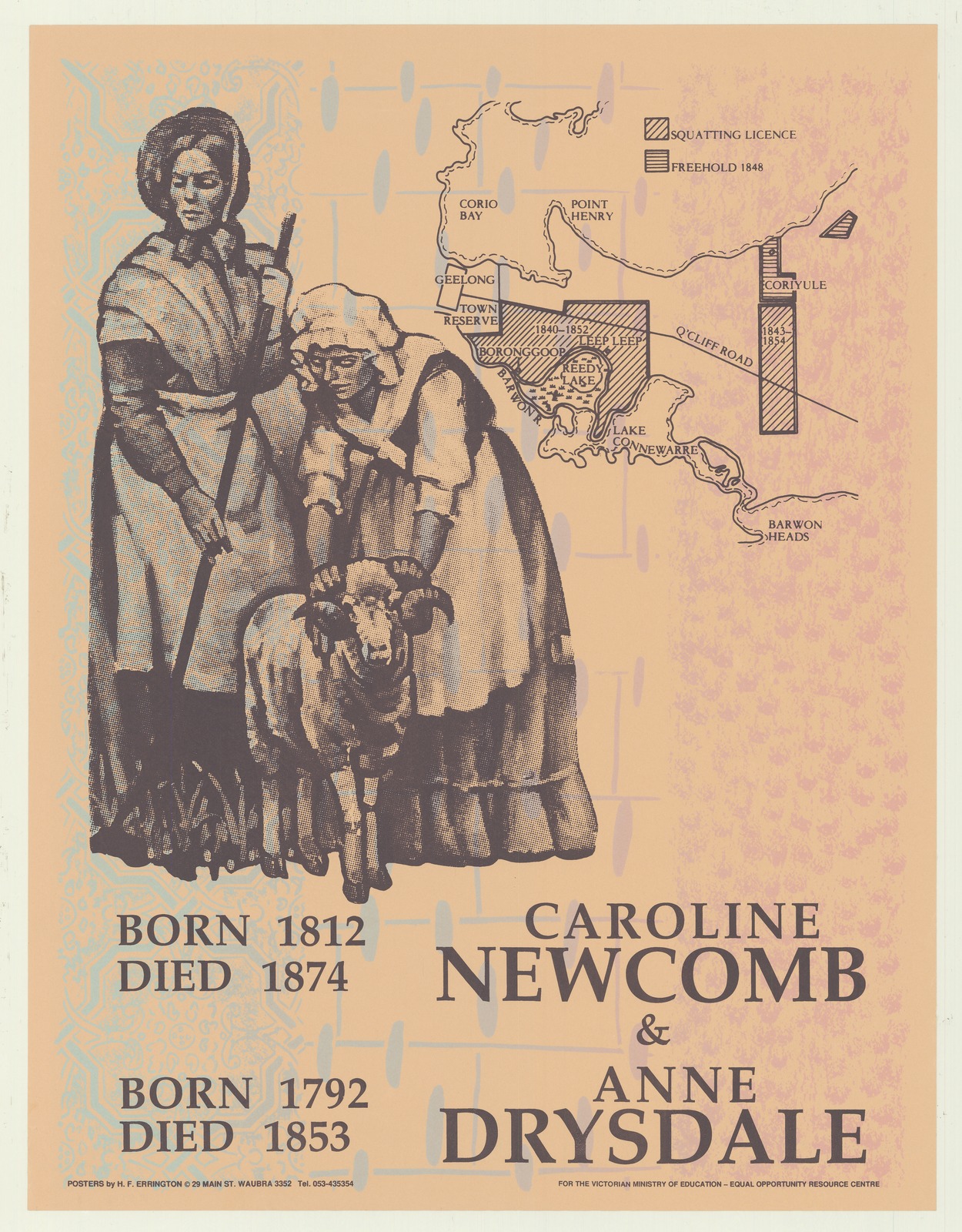
Arriving in Australia independently, Anne and Caroline were introduced through mutual acquaintances and went on to build a shared life on the Bellarine Peninsula, acquiring land in 1843 on Wadawurrung Country and establishing a Gothic Revival home they named Coriyule. In a diary entry dated August 1841, Anne writes:
Miss Newcomb who is my partner, I hope, for life, is the best & most clever person I have ever met with. There seems to be magic in her touch, every thing she does is done so well & so quickly.
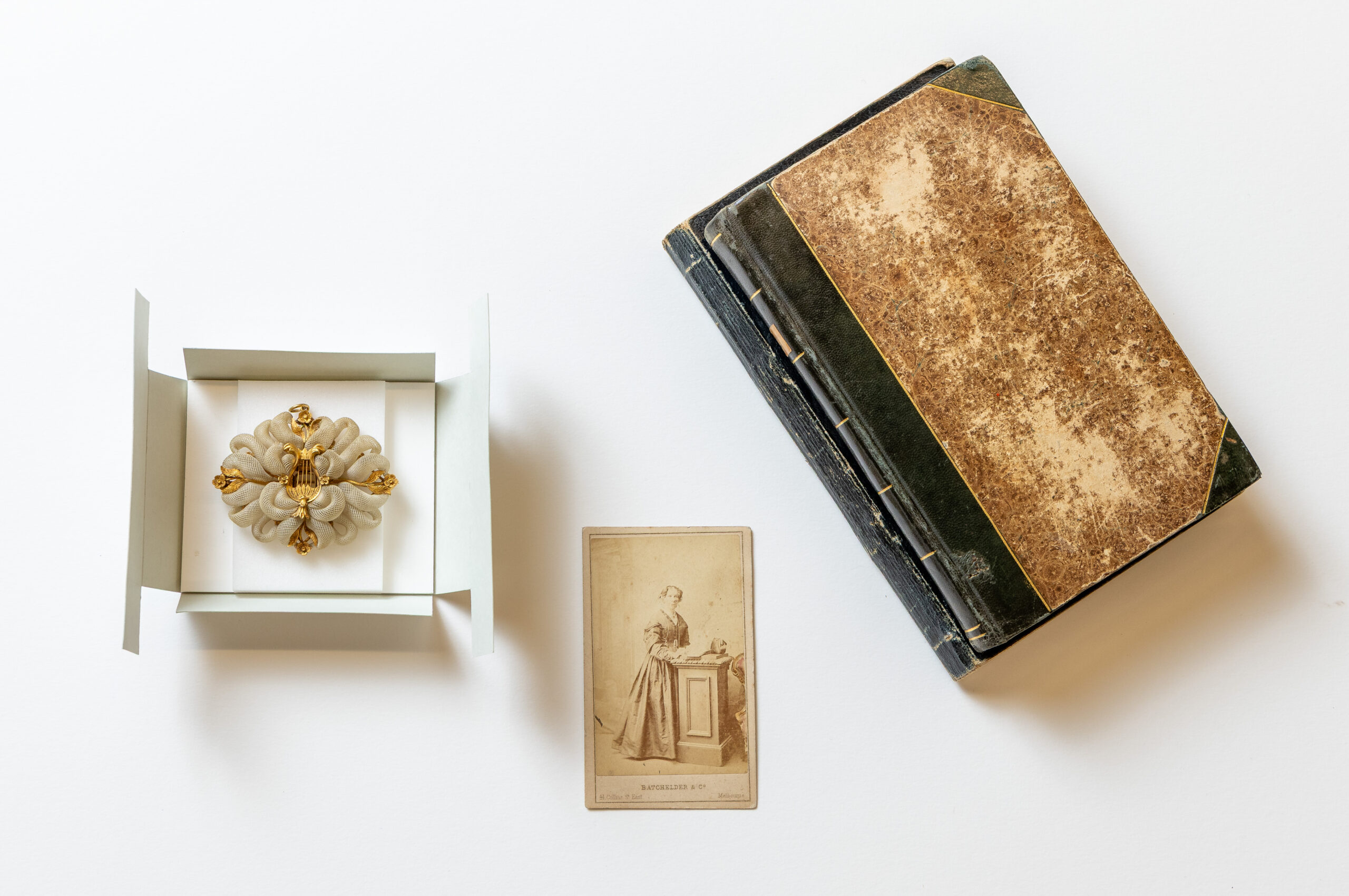
After Anne’s death in May 1853, Caroline arranged for their hair to be taken to a local jeweller and made into a brooch as a gift for a mutual friend, diarising simply: “took Anne’s & my hair to Paterson’s to set in brooch.” The “Paterson’s” named almost certainly refers to William Paterson, a prominent Geelong-based jeweller, gold broker, and clockmaker active during the early years of the Victorian gold rush.
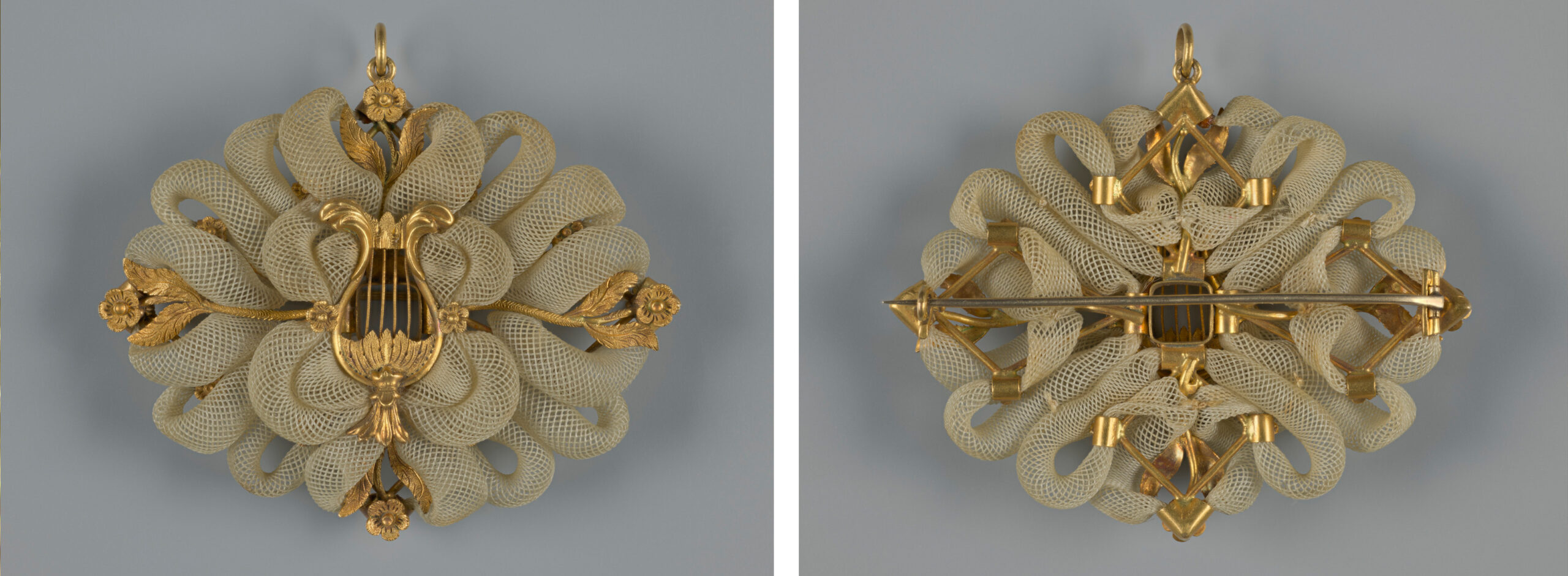
A small object with a complex structure
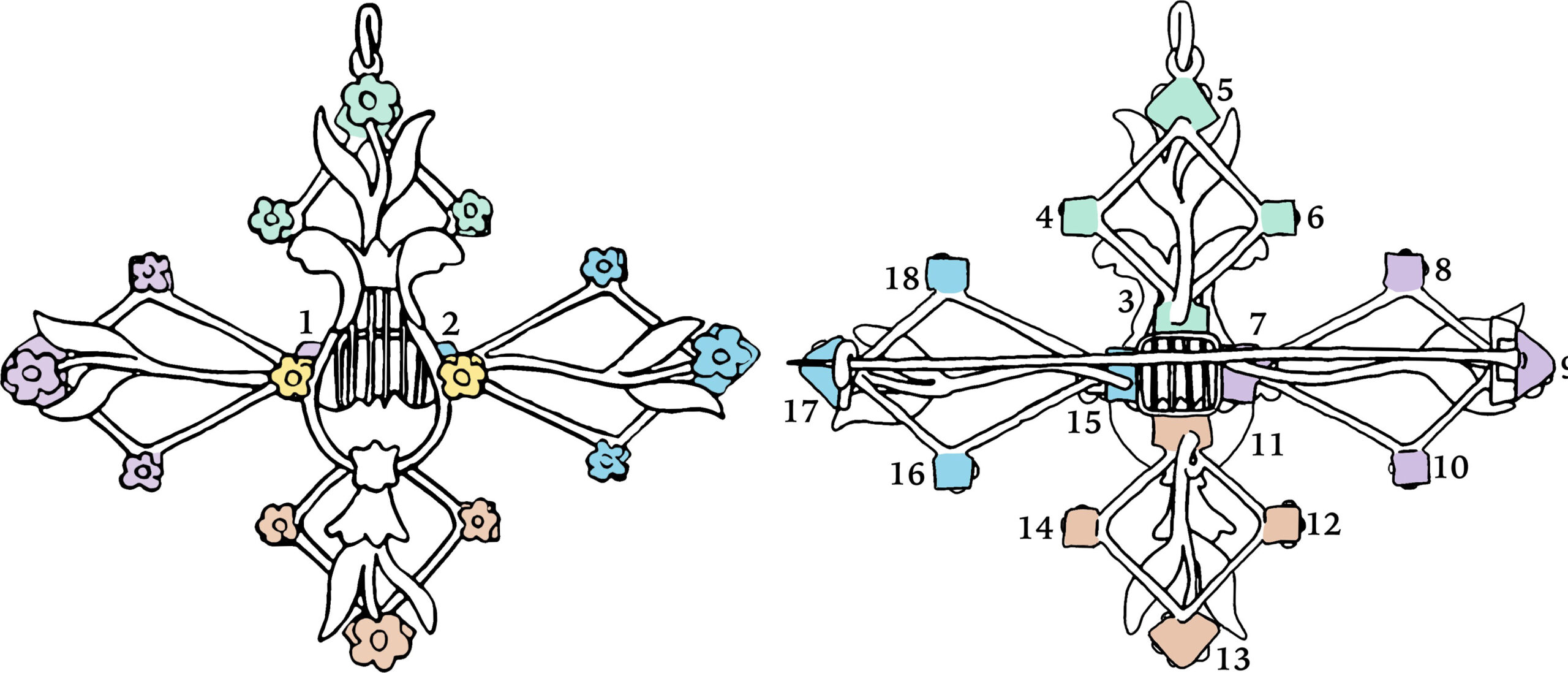
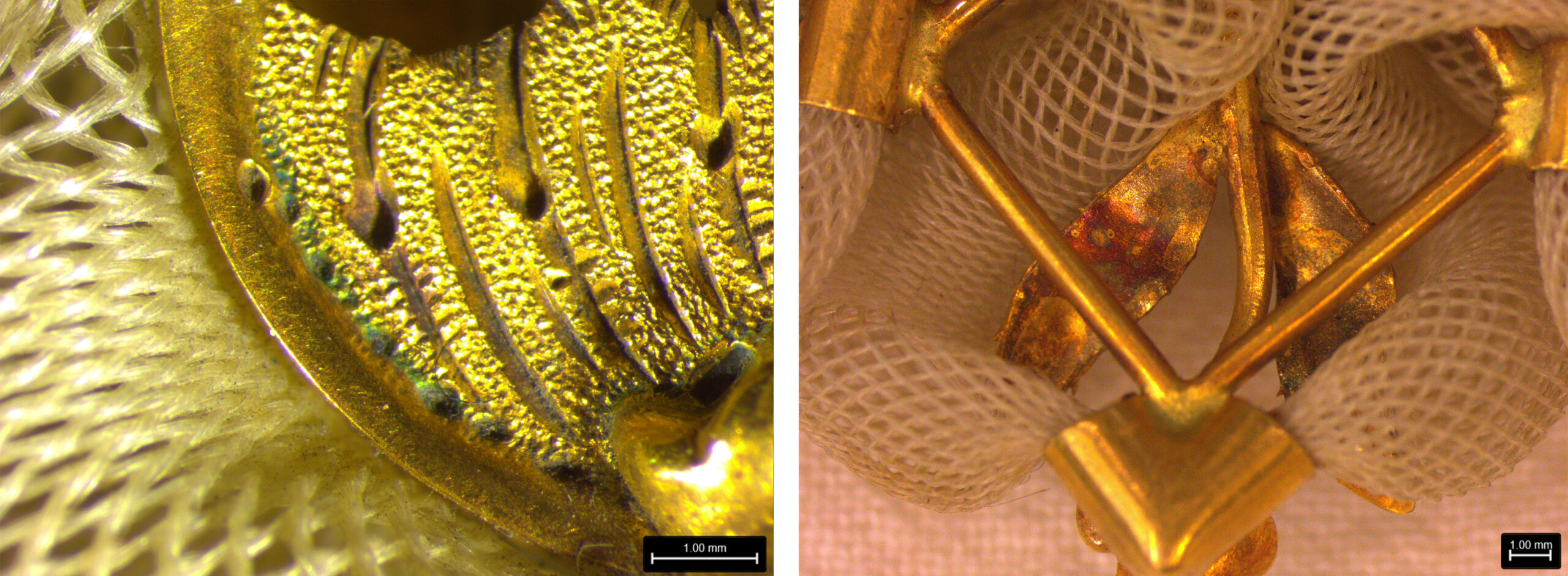
At first glance, the brooch appears delicate and symmetrical: a central lyre motif, symbolising harmony and remembrance, framed by sprays of forget-me-nots, long associated with enduring memory. These romantic adornments are underpinned by sophisticated engineering. The mount is built around a central open square to which four diamond-shaped settings are welded. Together, these five primary units hold 18 small tubes through which the hairwork is threaded.
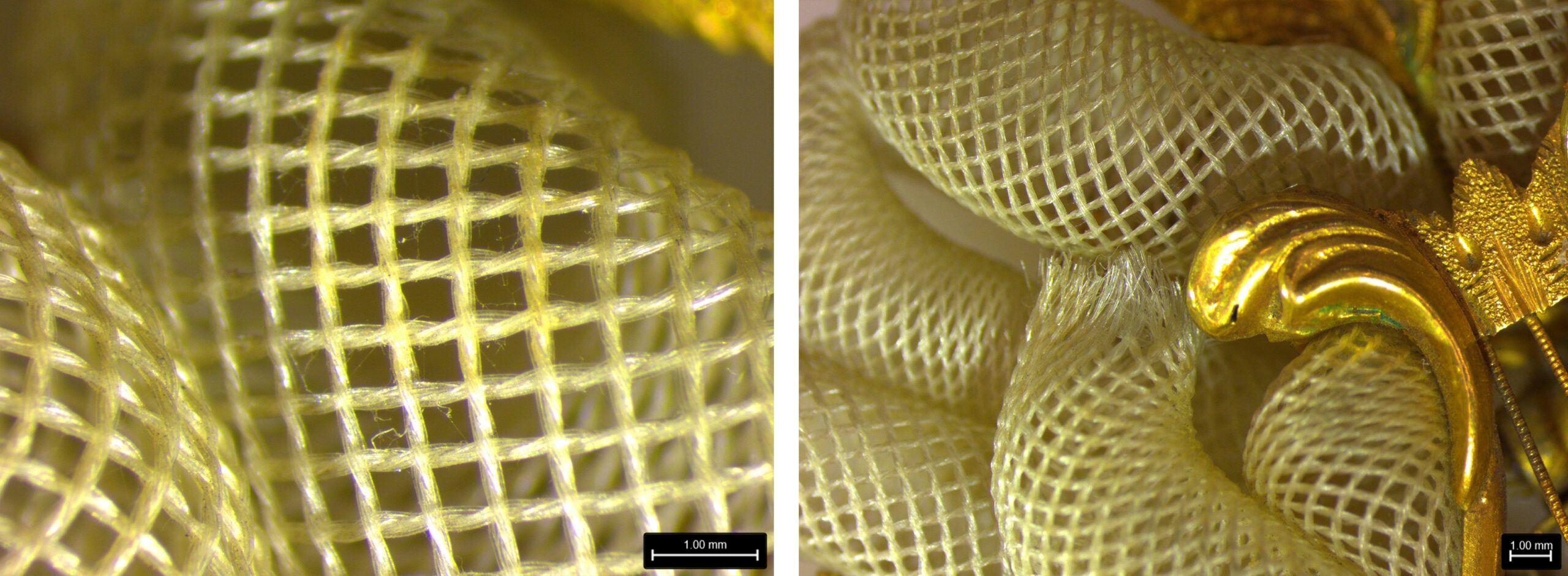
The hairwork is built from multiple rows of table-worked hair woven into an open brooch braid that forms a hollow tube. Each woven strand combines at least four individual hairs, which is consistent with contemporary descriptions of open braids. The completed hairwork is threaded through the metal tubes and fixed with shellac in the inner and outermost tubes.
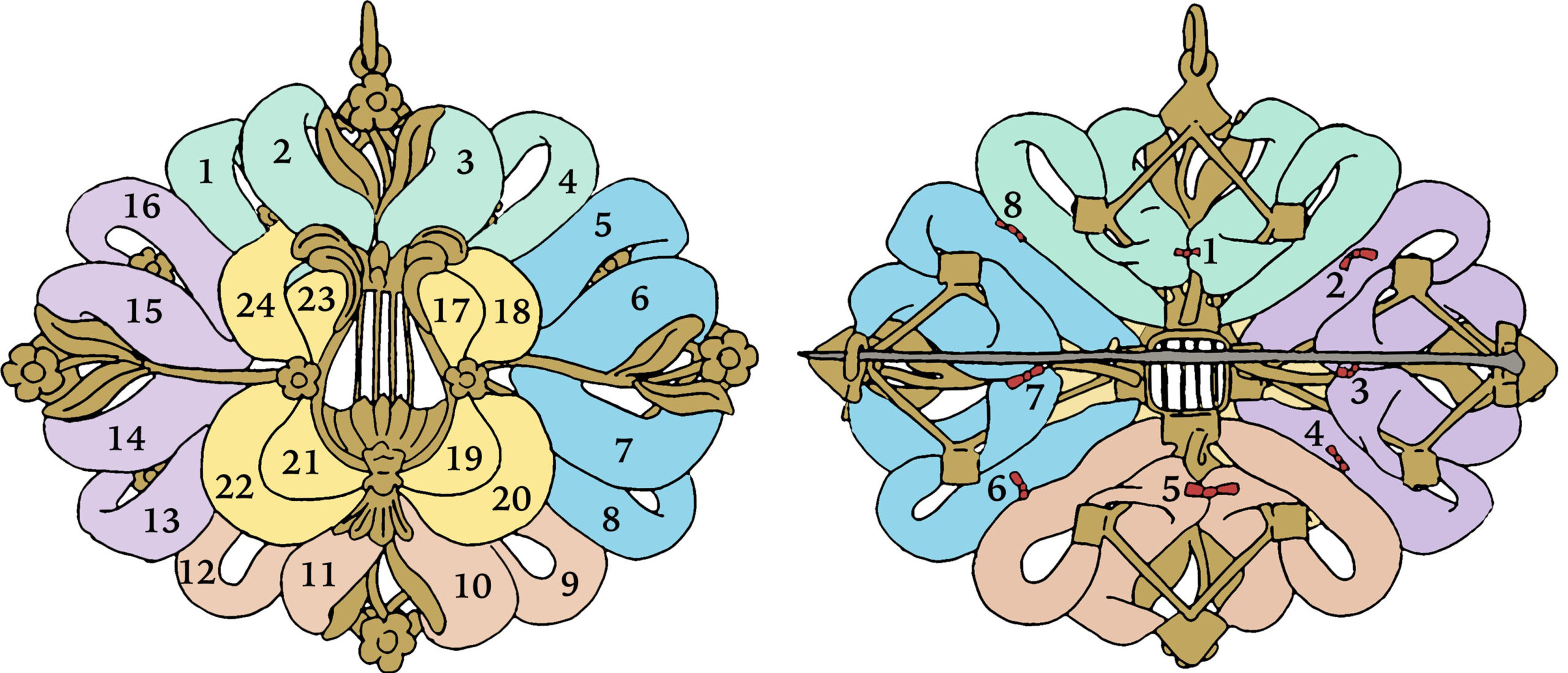
On the reverse, discrete thread ties bind the hairwork braids together to hold the intended form. The inclusion of a small bale at the top of the mount, in addition to the standard pin fastener, means that the piece could be worn as a brooch or pendant.
What time has changed – and revealed
The brooch’s selection for display in Rebel Heart prompted closer analysis in the conservation laboratory, bringing more than 170 years of natural ageing into clearer focus. As a composite object, each material – metal, organic fibre, natural resin adhesive – has its own environmental sensitivities and ageing pathways, which can interact with, or even accelerate, the deterioration of neighbouring materials.
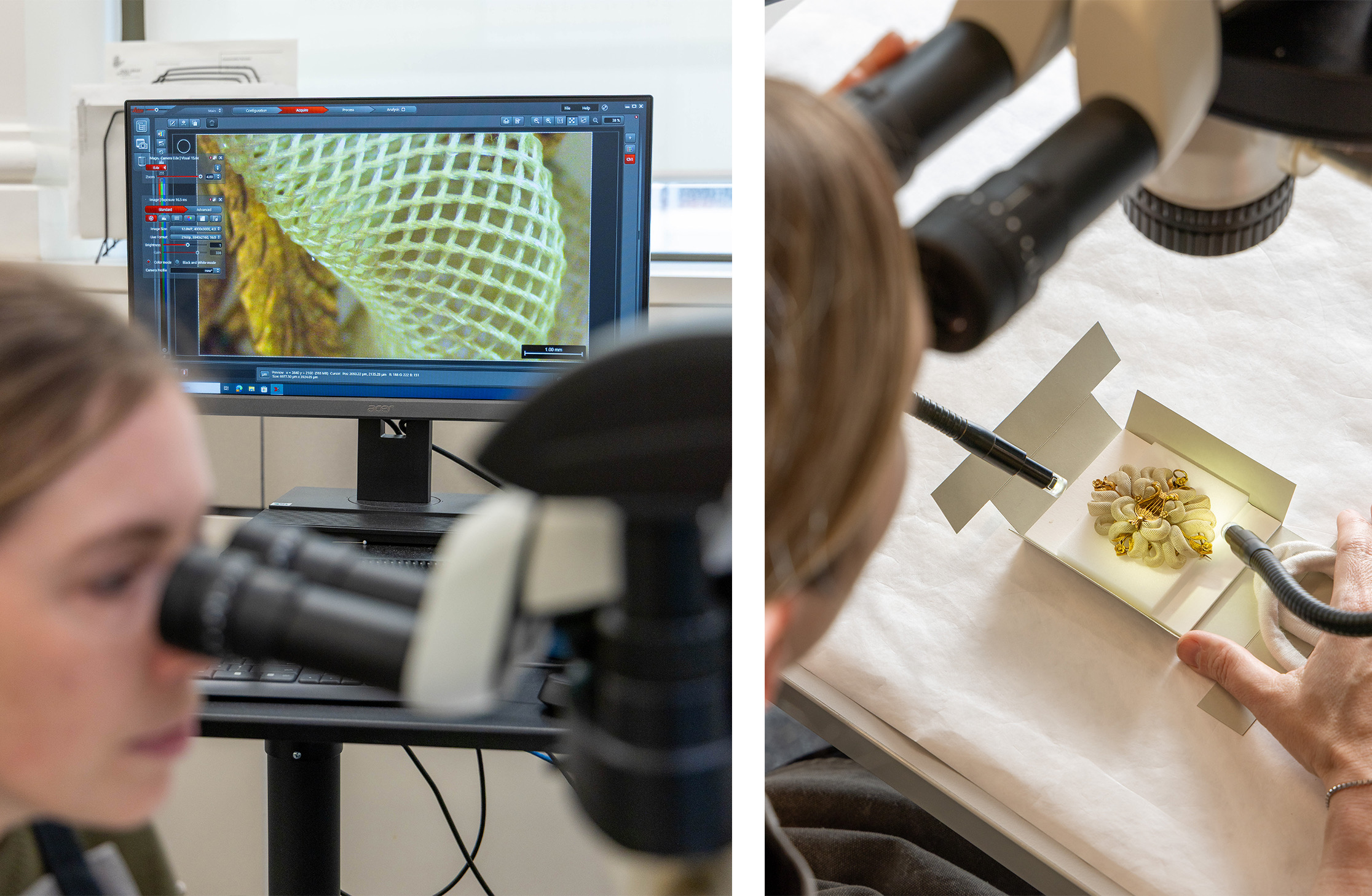
Under magnification the hair appears warm white in colour, suggesting significant pigment loss from light exposure. This hypothesis is supported by signs of embrittlement, including several breakages in the hairwork where gravity and handling have taken their toll. Fine dust, insect debris, and delicate webs are trapped within the hair braids and sheltered joins on the metal mount, evidence of historic pest activity.
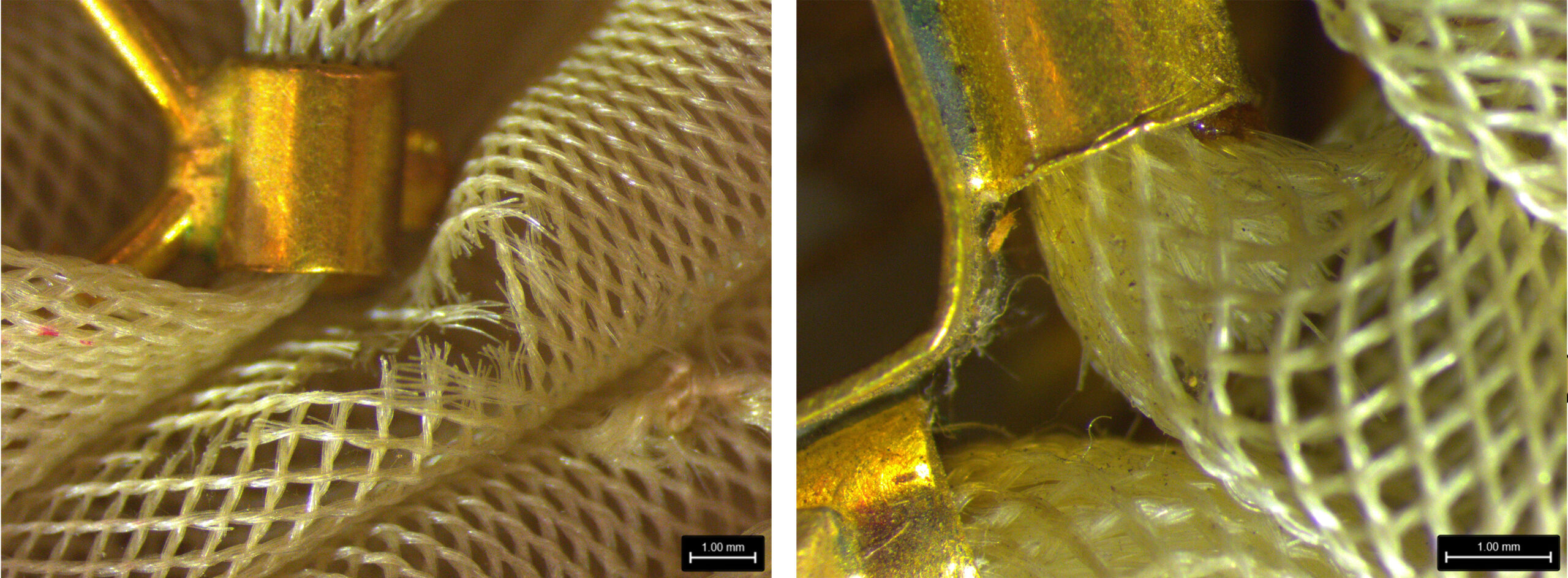
The metal mount bears green and reddish corrosion products typical of copper alloys, possibly influenced by sulphur compounds naturally released by the hair as it ages. However, the hairwork form is remarkably stable and self-supporting owing to the quality of its woven tubular structure, a testament to its maker.
Viewed today through a conservation lens, the hair itself raises intriguing questions. Under magnification, the woven hair appears strikingly consistent in colour, diameter, and texture across the entire structure, suggesting it may derive predominantly – or even exclusively – from a single source. At present, there is no analytical evidence to confirm its precise composition, but this opens up a fascinating avenue for potential future research.
Why a limited display period
Why would such a small object require a limited display period? The answer lies in light. Hair is an extremely light-sensitive material, and even very low illumination can cause irreversible fading and embrittlement over time. Removing the brooch from display after only four months is not a reflection of diminished importance, but of care and responsibility.
When it is not on view, the brooch is kept in dark, controlled storage and supported so the hairwork is never under strain. It is handled only by trained staff and never touched directly. This considered approach to display and access helps ensure that future generations can continue to study, interpret, and reflect on this rare object.
More to explore
- Visit the Rebel Heart: Love letters and other declarations exhibition between 12 February 2026 and 27 January 2027
- Listen to musician Angie McMahon’s original song, inspired by the relationship between Anne Drysdale and Caroline Newcomb
- Browse the online catalogue to discover collection items relating to Drysdale and Newcomb
- Learn more about the art of hairwork with the Collector’s encyclopedia of hairwork jewelry : identification & values by Jeanenne Bell (A 739.27 B4135C)
All images prepared by Albertine Hamilton (Conservator, Paper) or the State Library Victoria’s Digital Production team, unless otherwise noted.


As a miniaturist and sculptor of the living image in precious metaI, I can identify with the skillfull artistry in this remarkably rare and intricately delicate mourning brooch.
Complments to the Conservator. Fine preservation work.
Excellent illustrated report.
What a wonderful blog, incredible to see the brooch in such detail! What an extraordinary thing.